Austin, Texas / Syndication Cloud / March 20, 2026 / Bennett Outdoor Living
Key Takeaways
- Pool deck texture directly affects safety through improved grip and traction, with proper texture mechanisms significantly reducing slip hazards in wet conditions
- Pool deck surfaces should maintain a wet Coefficient of Friction (COF) of at least 0.6 for optimal safety performance
- Hand-applied texture overlays create durable slip-resistant surfaces without requiring complete deck replacement
- Austin’s climate demands specific texture solutions that balance slip resistance with heat management and effective water drainage
Pool deck safety goes beyond following building codes—it creates outdoor spaces where families can enjoy worry-free swimming and entertainment. The science behind slip-resistant surfaces reveals how texture mechanisms work at a microscopic level to prevent accidents, especially during Austin’s frequent summer storms and high-humidity conditions.
Why Pool Deck Texture Directly Impacts Safety
Surface texture creates the foundation for pool deck safety by providing mechanical grip that works even when water is present. The relationship between texture and safety operates through friction coefficients, where rougher surfaces create more contact points between feet and the deck. This increased contact area translates directly into better traction, particularly crucial around pools where wet conditions are constant.
Smooth concrete surfaces become dangerously slippery when wet because water creates a lubricating barrier between feet and the surface. Textured surfaces break through this water barrier, allowing direct contact and maintaining grip. Bennett Outdoor Living observes that properly textured pool decks significantly reduce slip-related incidents compared to untreated concrete surfaces.
The physics behind texture effectiveness involves surface irregularities that channel water away from contact points while providing grip edges that engage with shoe treads or bare feet. This dual action—water displacement and mechanical grip—creates the safety margin that protects swimmers and pool area users from falls and injuries.
Understanding Slip Resistance Standards
1. Coefficient of Friction Measurements
The Coefficient of Friction (COF) provides the scientific measurement for surface grip, where higher numbers indicate better slip resistance. Pool deck surfaces should maintain a COF of at least 0.6 when wet to meet safety requirements. This measurement represents the ratio of force required to slide an object across a surface compared to the weight pressing down on that surface.
Professional testing equipment measures COF using standardized methods that simulate real-world conditions. The pendulum slip resistance test, widely accepted in the industry, provides reliable measurements by swinging a weighted pendulum across wet surfaces to measure resistance. These measurements help contractors select appropriate texture levels for specific applications and climate conditions.
2. Industry Safety Standards
Current industry standards for recreational water facilities establish minimum slip resistance requirements for pool deck surfaces. These standards are periodically reviewed and updated to reflect new research and safety data, ensuring pool deck installations meet current best practices for accident prevention.
Compliance with these standards provides legal protection for property owners and demonstrates commitment to user safety. The standards also address drainage requirements, surface uniformity, and maintenance protocols that preserve slip resistance over time.
3. Professional Testing Methods
Professional slip resistance testing employs multiple methods to ensure accurate results across different conditions. Testing methods provide reliable assessments of surface safety performance under various environmental conditions.
Testing must occur under wet and dry conditions to reflect real-world usage patterns. Professional contractors use these test results to recommend appropriate texture levels and surface treatments based on specific site conditions, traffic patterns, and regional climate factors.
How Hand-Applied Overlays Create Slip Resistance
Hand-Applied Texture Mechanisms
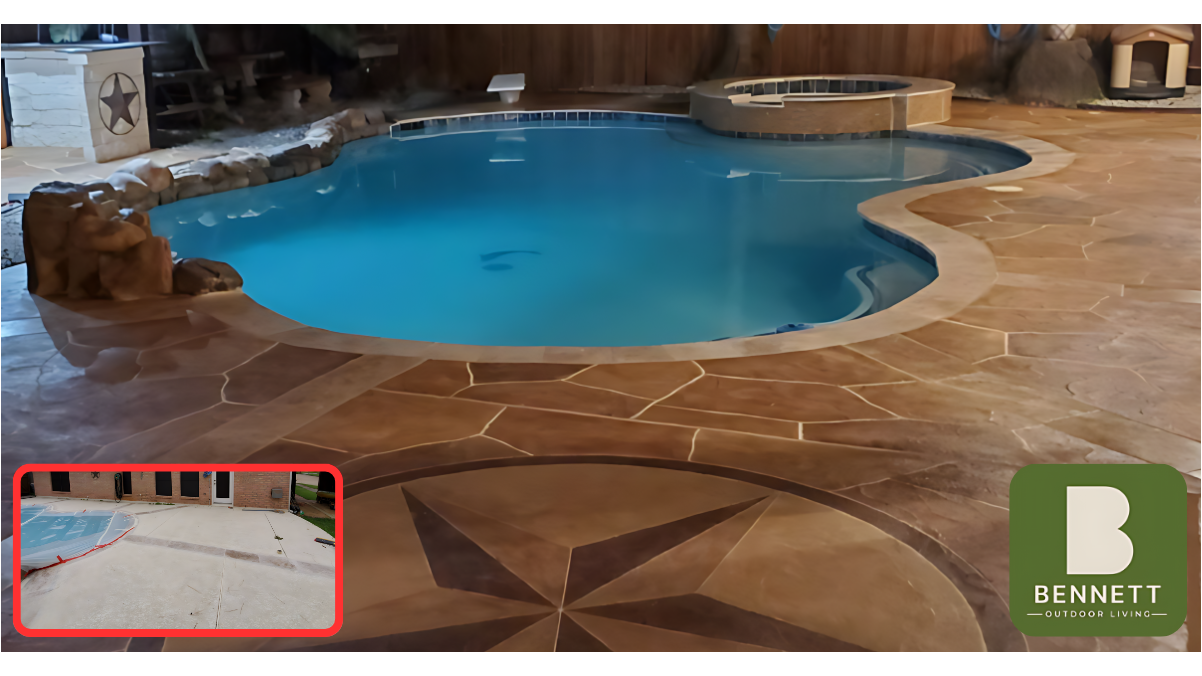
Hand-applied texture overlays utilize hand-troweled application techniques that create controlled texture patterns optimized for slip resistance. The hand-applied method allows craftsmen to adjust texture depth and pattern based on specific safety requirements and aesthetic preferences. This artisanal approach produces consistent yet varied surface textures that provide excellent grip without creating uncomfortable walking surfaces.
These overlays can incorporate mineral aggregates that create natural grip points while maintaining durability under heavy use. These mineral components resist wear from foot traffic, pool chemicals, and weather exposure, ensuring long-term slip resistance performance. The hand-application process allows for seamless integration with existing concrete surfaces without visible transition lines or weak points.
Surface Durability Benefits
Quality hand-applied overlays create surfaces that maintain their slip-resistant properties over years of use and exposure. The overlay composition resists chemical degradation from pool maintenance products and weather exposure. This durability means safety performance remains consistent over time unlike some coating systems.
The overlay thickness provides structural reinforcement to underlying concrete while creating lasting texture patterns. Unlike thin coatings that can wear smooth over time, substantial overlay thickness ensures texture depth remains consistent throughout the product’s lifespan, maintaining safety performance year after year.
Comparing Austin Pool Deck Overlay Options
1. Textured Acrylic Coatings with Sand and Polymer Additives
Textured acrylic systems incorporate sand or polymer beads to create slip-resistant surfaces at lower initial costs. These coatings apply relatively quickly and provide immediate texture improvement over smooth concrete. The polymer additives improve durability while sand particles create the grip texture needed for wet-condition safety.
Acrylic systems provide effective slip resistance when properly maintained. The coating thickness limits texture depth compared to overlay systems, potentially affecting long-term slip resistance as wear occurs. Sand additives can create rougher surfaces that may be uncomfortable for bare feet.
2. Stamped Concrete Overlays
Stamped concrete overlays create textured surfaces that mimic natural materials like stone or brick. The stamping process creates consistent patterns with built-in texture elements. This option allows for decorative appeal while addressing safety requirements.
However, stamped concrete can present slip hazards in wet conditions due to water trapping in pattern depressions. Maintenance requirements include periodic sealing to preserve both appearance and slip resistance properties, especially important in Austin’s variable weather conditions.
3. Knockdown Texture Applications
Knockdown texture techniques create varied surface patterns through controlled application and partial flattening. This method involves applying texture material and then partially flattening it to create controlled high and low areas that provide grip while remaining comfortable underfoot.
The random nature of knockdown patterns creates effective water drainage channels while providing multiple grip angles for feet. These applications help manage surface temperatures in Central Texas, making pool decks more comfortable during hot summer months while maintaining safety performance.
Beyond Texture: Drainage and Heat Management
Water Management for Maximum Safety
Effective drainage systems work in conjunction with surface texture to maintain pool deck safety under all conditions. Even highly textured surfaces become slippery if water pools on the surface, making proper drainage design critical for safety. Slope design, drain placement, and surface channels all contribute to water management effectiveness.
Texas weather patterns create unique drainage challenges with intense rainfall followed by high evaporation rates. Pool decks must handle both standing water from rain and constant moisture from pool use and splash. Integrated drainage solutions that work with textured surfaces provide optimal safety performance year-round.
Heat Management in Central Texas
Austin’s intense summer heat makes surface temperature management crucial for pool deck usability. Light-colored materials and specialized surface treatments help surfaces remain cooler by reflecting solar radiation rather than absorbing it. These treatments can significantly reduce deck temperatures compared to standard concrete.
The texture patterns themselves contribute to heat management by creating surface area for heat dissipation and air circulation. Hand-troweled overlays with light-colored aggregates naturally reflect heat while maintaining their slip-resistant properties, making pool decks more comfortable for bare feet even during peak summer temperatures.
Bennett Outdoor Living Delivers Proven Pool Deck Safety Solutions
Professional installation expertise makes the difference between adequate and exceptional pool deck safety performance. Proper surface preparation, material selection, and application technique all influence the long-term effectiveness of slip-resistant treatments. Experienced contractors understand how Austin’s climate affects different materials and can recommend solutions that provide lasting safety benefits.
The combination of proven materials, professional application methods, and local climate knowledge ensures pool deck overlays perform as intended throughout their service life. Regular maintenance protocols and periodic safety assessments help maintain optimal slip resistance over time, protecting families and property values.
Quality installation also addresses code compliance, warranty coverage, and integration with existing pool features. Professional contractors coordinate texture treatments with coping, lighting, and drainage systems to create safety solutions that work with rather than compromise the overall pool environment.
For expert pool deck overlay solutions that prioritize safety without sacrificing aesthetics in the Austin area, Bennett Outdoor Living specializes in slip-resistant surface treatments.
Bennett Outdoor Living
303 W 5th St
Austin
Texas
78701
United States