Boynton Beach, FL / Syndication Cloud / March 13, 2026 / Replay Club
Key Takeaways
- Glass wall shots require specific positioning, early racquet preparation, and prioritizing control over power to master effectively.
- Reading ball speed and trajectory off the glass separates advanced players from beginners in competitive padel.
- Back glass defensive shots and side wall offensive strategies create multiple tactical advantages during points.
- Common mistakes like rushing shots and poor positioning can be corrected with proper coaching and practice drills.
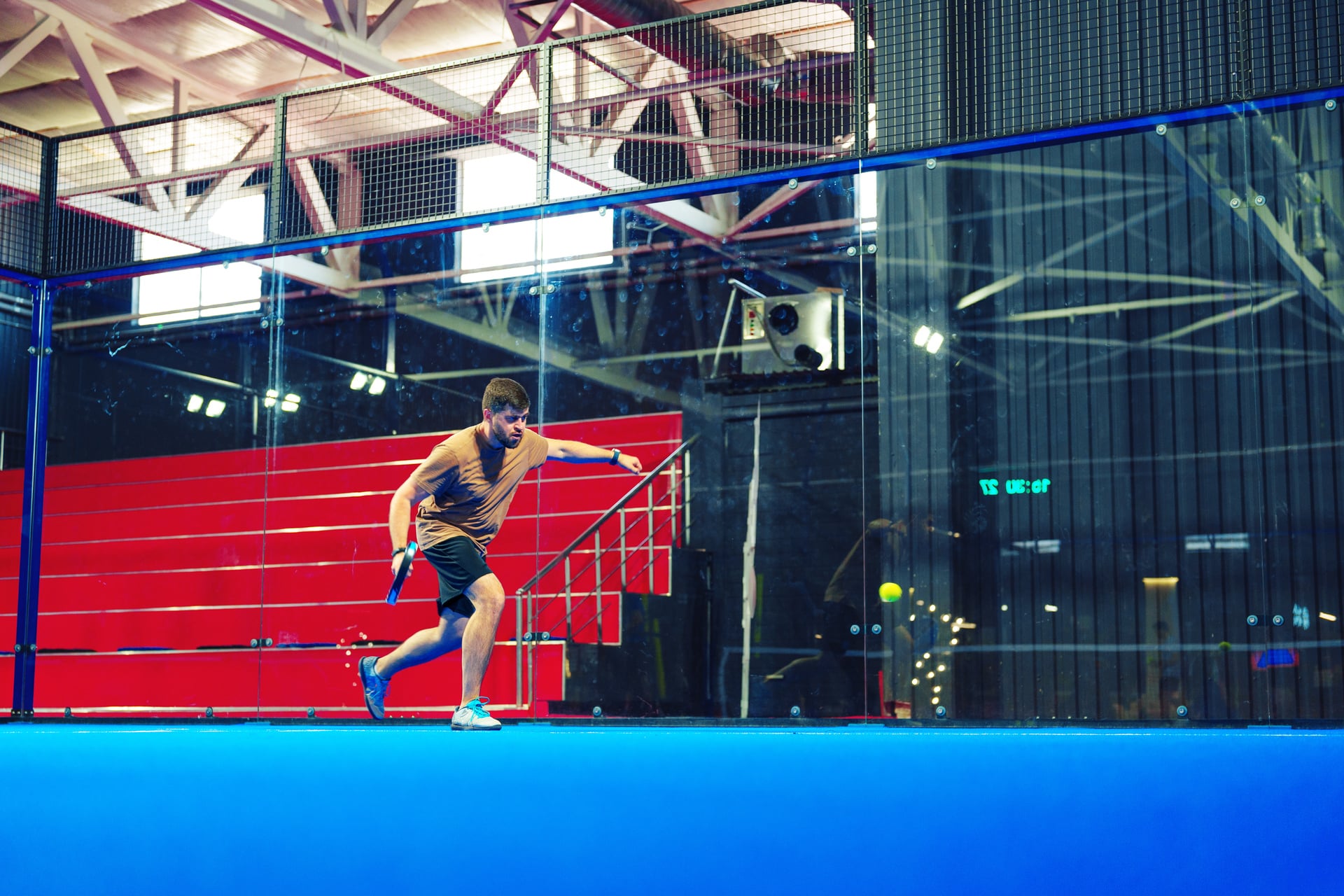
Glass wall shots represent one of padel’s most distinctive and challenging aspects. These techniques transform the enclosed court into a tactical playground where skilled players can extend rallies, create unexpected angles, and turn defensive situations into offensive opportunities. Understanding how to effectively use the glass walls separates casual players from serious competitors. Here’s what the coaching team from Florida’s Replay Club had to say…
Why Glass Wall Shots Separate Beginners from Advanced Players
The ability to read and react to balls coming off glass walls distinguishes advanced padel players from beginners. While newcomers often struggle with timing and positioning when the ball rebounds off glass surfaces, experienced players use these moments to reset points and create strategic advantages.
Advanced players understand that glass wall shots require different physical mechanics compared to standard groundstrokes. The ball’s trajectory changes dramatically after hitting glass, demanding quick adjustments in footwork, racquet preparation, and shot selection. This skill becomes particularly important during defensive situations where players must buy time to reposition themselves on the court.
Glass Wall Shot Fundamentals
Mastering glass wall shots requires attention to four critical fundamentals that form the foundation of effective play off the walls.
1. Maintain Proper Court Position
Correct player positioning before the ball reaches the glass determines success or failure. Stand far enough from the wall to allow room for movement and adjustment. The ready position should include slightly bent knees, feet shoulder-width apart, and weight distributed on the balls of the feet for quick directional changes.
Optimal positioning varies based on ball speed and angle. For slower shots, players need to move closer to the glass to intercept the ball effectively. Faster shots require more distance to allow proper reaction time and swing mechanics.
2. Prepare Rackets Early
Early racquet preparation becomes even more critical when dealing with glass rebounds. The ball’s trajectory off glass can be unpredictable, especially when spin is involved. Having the racquet in ready position before moving to the ball ensures better timing and contact.
Keep the racquet head up and use shorter backswings compared to traditional groundstrokes. This compact preparation allows for quicker adjustments if the ball takes an unexpected bounce or angle off the glass.
3. Read Ball Speed and Trajectory
Successful glass wall play depends on quickly assessing incoming ball characteristics. Slower balls require players to move much closer to the glass, while faster shots often benefit from allowing the double bounce (court then glass) to reduce speed naturally.
The angle at which the ball hits the glass significantly impacts its rebound direction. Players must learn to “read” these angles along with any spin that affects the ball’s behavior after contact with the glass surface.
4. Prioritize Control Over Power
Glass wall shots naturally present more challenging hitting conditions. Rather than attempting powerful shots that increase error rates, focus on controlled placement back over the net. This approach maintains rally flow while positioning for better opportunities later in the point.
Control-focused shots provide more time to assess court positioning and plan the next move. Many advanced players use glass wall situations to reset point rhythm rather than force aggressive shots.
Mastering Back Glass Defensive Shots
Back glass defensive shots serve as tools for extending points and creating counterattack opportunities from difficult positions.
When to Use the Back Glass
Deploy back glass shots when facing aggressive opponent attacks or when positioned too close to the back wall for traditional groundstrokes. These situations often occur during defensive scrambles where players need extra time to recover proper court position.
The back glass shot works particularly well against hard-hit balls that would otherwise be difficult to control. By using the glass as a “partner,” players can absorb ball speed while maintaining accuracy in their return.
Double-Wall Rebound
Advanced players utilize double-wall rebounds strategically, allowing the ball to hit both the court surface and back glass before making contact. This technique significantly reduces ball speed and provides additional time for positioning and shot preparation.
The double-wall approach requires patience and precise timing. Players must resist the urge to rush the shot and instead allow the natural physics of the rebound to work in their favor. This technique proves especially effective against opponents who prefer fast-paced exchanges.
Advanced Side Wall Strategies
Side wall play opens up offensive possibilities that can dramatically shift point momentum when executed properly.
Creating Difficult Angles for Opponents
Offensive side wall shots create sharp angles that force opponents into uncomfortable positions. By hitting balls that contact the side glass before crossing to the opponent’s side, players can pull their opponents wide and open up court space for winning shots.
These angled shots work best when opponents are positioned centrally or toward the opposite side of the court. The side wall acts as a redirecting surface that sends the ball to areas opponents cannot easily reach.
Timing and placement are important for successful offensive side wall shots. The ball should contact the glass at angles that create maximum difficulty for opponent positioning while still landing within court boundaries.
Reading Spin and Speed off Glass
Glass surfaces interact differently with various types of spin, creating unique rebound characteristics. Topspin shots tend to kick forward off glass walls, while slice shots often stay lower and slower after glass contact.
Developing the ability to quickly identify spin type allows players to position themselves optimally for glass rebounds. This skill comes through experience and focused practice with different spin variations.
Speed assessment becomes equally important, as faster balls require different positioning and timing compared to slower shots. Advanced players learn to make these split-second judgments that determine shot success.
Common Glass Shot Mistakes and Corrections
The most frequent mistake beginners make is rushing glass wall shots instead of allowing the ball to slow down naturally. Patience becomes necessary when dealing with glass rebounds, as premature contact often results in poor shot placement or outright errors.
Poor positioning represents another common error. Many players stand too close to the glass, limiting their movement options and swing mechanics. Maintaining proper distance allows for better shot execution and reduces the risk of cramped swings.
Over-hitting represents a third major mistake. Glass wall situations call for controlled placement rather than powerful shots. Players who try to generate excessive pace from glass rebounds often send balls long or into the net.
Correction involves focused practice on patience, positioning, and controlled contact. Drill work that emphasizes these elements helps players develop proper glass wall habits that transfer effectively to match situations.
Master These Techniques and More with Expert Coaching
The growing padel community benefits from specialized coaching that addresses glass wall shot development specifically among other techniques. Players should have access to structured training programs at their local padel clubs that break down complex glass wall techniques into manageable skill components.
Qualified padel coaches use targeted drills designed to improve anticipation and reaction time for glass wall situations. These training methods accelerate learning curves for players seeking to master these advanced techniques.
The combination of proper instruction and consistent practice allows players to develop confidence in glass wall situations that transforms their overall game performance. Players who master these skills find themselves better equipped to handle pressure situations and create tactical advantages during competitive play.
Replay Club
6600 High Ridge Rd
Boynton Beach
FL
33426
United States