DuBois, PA / Syndication Cloud / February 20, 2026 / Mercy Family Health and Pain Management
Key Takeaways
- Processing methods, not omega-6 oils themselves, determine their impact on inflammation – industrial extraction with heat and chemicals creates harmful compounds that quality oils avoid.
- Modern diets contain omega-6 to omega-3 ratios of 10:1 to 20:1, far exceeding the ancestral 1:1 ratio that supports optimal health.
- High-quality omega-6 oils actually reduce inflammation when properly processed and consumed in balanced ratios with omega-3 fatty acids.
- Cold-pressed, unrefined omega-6 oils provide cardiovascular and metabolic benefits without the oxidative damage found in heavily processed alternatives.
- Reading labels and choosing quality sources helps restore healthy fat balance naturally for better inflammatory responses.
The controversy surrounding omega-6 oils has created widespread confusion about their role in health and inflammation. While these essential fatty acids have been unfairly demonized, the real issue lies not with omega-6 oils themselves, but with how they’re processed and consumed in modern diets.
The Real Omega-6 Story: Quality Matters More Than Quantity
Omega-6 fatty acids are essential nutrients that the body cannot produce on its own. Recent scientific literature from 2023 to 2024 shows that high linoleic acid intake – the primary omega-6 polyunsaturated fatty acid – actually supports cardiometabolic health and is associated with reduced risks of coronary heart disease, stroke, and type 2 diabetes.
The confusion stems from conflating all omega-6 oils with the heavily processed industrial versions found in ultra-processed foods. Health organizations like Harvard Health and the American Heart Association recognize that omega-6 fats benefit heart health by lowering LDL cholesterol and improving insulin sensitivity. While some research suggests a potential to boost HDL, their primary recognized benefits for heart health are related to LDL reduction. Studies consistently show these fats either reduce inflammation markers or leave them unchanged when consumed as part of a balanced diet.
Understanding the difference between quality omega-6 sources and their processed counterparts is vital for making informed dietary choices. Mercy Family Health provides detailed guidance on navigating these complex nutritional relationships to help individuals optimize their health naturally.
Industrial Processing Creates the Problem
The health concerns attributed to omega-6 oils stem primarily from industrial processing methods that transform beneficial nutrients into problematic compounds. Most commercial seed oils undergo extensive refinement that fundamentally alters their nutritional profile and creates inflammatory substances.
Heat Damage and Chemical Extraction
Industrial seed oil production involves extreme temperatures exceeding 400°F during extraction and refinement. This high-heat processing breaks down delicate fatty acid structures, creating oxidative stress compounds that weren’t present in the original seeds. The thermal damage occurs during multiple stages: initial pressing, degumming, neutralization, and deodorization.
Chemical extraction using petroleum-based solvents compounds these problems. The harsh processing strips away natural antioxidants like vitamin E and phytosterols that would normally protect the oils from oxidation. What remains is a highly refined product that bears little resemblance to the original seed’s nutritional profile.
Hexane Residues and Oxidation Products
Hexane, a petroleum derivative used in commercial oil extraction, can leave trace residues in the final product. While regulatory bodies maintain that these levels remain below safety limits, the cumulative exposure from multiple processed foods raises concerns for individuals with high daily fat intake.
More problematic are the oxidation products formed during processing. These include aldehydes, ketones, and other inflammatory compounds that weren’t present in the original seeds. The combination of heat, light, and oxygen exposure during industrial processing creates a cascade of chemical reactions that produce these harmful byproducts.
Trans Fat Formation During Refinement
High-temperature processing can alter the molecular structure of fatty acids, creating trans fats even in oils not intentionally hydrogenated. The deodorization step, which uses temperatures above 450°F under vacuum, is particularly problematic for trans fat formation.
These industrially-created trans fats differ from naturally occurring trans fats and have been linked to increased inflammation, cardiovascular disease, and metabolic dysfunction. The formation occurs gradually during processing, making it difficult to detect without specialized testing methods.
Why Imbalanced Fat Ratios Drive Inflammation
The inflammatory effects often attributed to omega-6 oils actually result from consuming them in dramatically imbalanced ratios compared to omega-3 fatty acids. This imbalance, combined with the consumption of oxidized oils, creates the perfect storm for chronic low-grade inflammation.
Modern Diets: 10:1 to 20:1 Ratio vs. Ancestral 1:1
The typical Western diet exhibits omega-6 to omega-3 ratios ranging from 10:1 to 20:1, which significantly exceeds both the ancestral ratio of approximately 1:1 and the generally considered optimal ratio of 1:1 to 4:1 for reducing inflammation. This dramatic shift occurred over the past century as processed foods became dietary staples.
Ancestral diets naturally maintained balanced ratios through diverse food sources: wild game, fish, nuts, seeds, and leafy greens. Modern agricultural practices and food processing have shifted this balance toward omega-6 dominance, primarily through increased consumption of processed vegetable oils and grain-fed animal products.
The ratio imbalance affects cellular function at the most fundamental level. Both omega-6 and omega-3 fatty acids compete for the same enzymes in the body’s inflammatory pathways. When omega-6 intake overwhelms omega-3 availability, the metabolic machinery shifts toward pro-inflammatory compound production.
How Oxidized Oils and Ratio Imbalance Affect Health
Excessive omega-6 intake, particularly when disproportionate to omega-3s, disrupts the delicate balance of essential fatty acids and contributes to inflammatory responses. The body’s metabolism of omega-6 fatty acids can lead to increased production of pro-inflammatory mediators like arachidonic acid and certain eicosanoids.
While the human body can convert linoleic acid into arachidonic acid, the efficiency of this conversion and its direct impact on increasing pro-inflammatory compounds, especially when linoleic acid is abundant, is a complex area of research with varying interpretations. The inflammatory problems appear more related to consuming oxidized oils within ultra-processed foods rather than the omega-6 content itself.
Ultra-processed foods containing damaged oils typically also contain high levels of sodium, added sugars, and other inflammatory compounds. This combination creates a synergistic effect that amplifies inflammatory responses beyond what would occur from balanced omega-6 consumption alone.
High-Quality Omega-6 Oils Actually Reduce Inflammation
When consumed in their natural, unprocessed forms and in balanced ratios with omega-3s, omega-6 fatty acids provide significant anti-inflammatory and health benefits. The key lies in choosing quality sources and maintaining proper nutritional balance.
GLA and Other Beneficial Omega-6 Forms
Gamma-linolenic acid (GLA), a specific omega-6 fatty acid found in specialty seeds like evening primrose and borage, demonstrates remarkable anti-inflammatory properties. Studies show GLA helps with inflammatory skin diseases, rheumatoid arthritis, and can significantly reduce inflammation markers when consumed regularly.
GLA bypasses the rate-limiting enzyme step that can lead to pro-inflammatory compound formation. Instead, it converts directly into anti-inflammatory prostaglandins and other beneficial metabolites. This unique metabolic pathway makes GLA-rich oils particularly valuable for individuals seeking natural inflammation management.
Other beneficial omega-6 forms include conjugated linoleic acid (CLA) found in grass-fed animal products, which supports healthy body composition and immune function while providing anti-inflammatory effects.
Research Shows Anti-Inflammatory Effects
Multiple studies demonstrate that increasing omega-6 fat intake either reduces markers of inflammation or leaves them unchanged, contrary to popular misconceptions. The anti-inflammatory effects become particularly pronounced when omega-6 oils are consumed fresh, unoxidized, and in conjunction with adequate omega-3 intake.
Research published in major medical journals consistently shows that linoleic acid intake supports rather than impairs inflammatory balance when consumed as part of whole foods or minimally processed oils. The inflammatory problems attributed to omega-6 oils appear to stem from their industrial processing and consumption within ultra-processed food matrices.
Cardiovascular and Metabolic Benefits
High-quality omega-6 oils provide substantial cardiovascular benefits, including improved cholesterol profiles, better insulin sensitivity, and reduced risk of metabolic syndrome. These effects occur through multiple mechanisms, including improved cell membrane function and optimized hormone production.
The metabolic benefits extend to blood sugar regulation, where omega-6 fatty acids help improve insulin receptor sensitivity and glucose uptake. This makes quality omega-6 oils particularly valuable for individuals managing diabetes risk or seeking metabolic optimization.
Identifying Quality Omega-6 Sources vs. Processed Oils
Distinguishing between beneficial omega-6 sources and problematic processed oils requires understanding production methods and reading labels carefully. The processing method determines whether an oil provides health benefits or contributes to inflammatory problems.
Cold-Pressed and Unrefined Options
Cold-pressed oils retain their natural antioxidants, vitamins, and beneficial compounds that protect against oxidation. The mechanical extraction process uses minimal heat (typically below 120°F) and no chemical solvents, preserving the oil’s original nutritional integrity.
Unrefined oils maintain their natural color, flavor, and nutrient content. These oils may appear cloudy or have sediment, which indicates the presence of beneficial compounds like phospholipids and plant sterols. Extra virgin olive oil, unrefined coconut oil, and cold-pressed nut and seed oils exemplify this category.
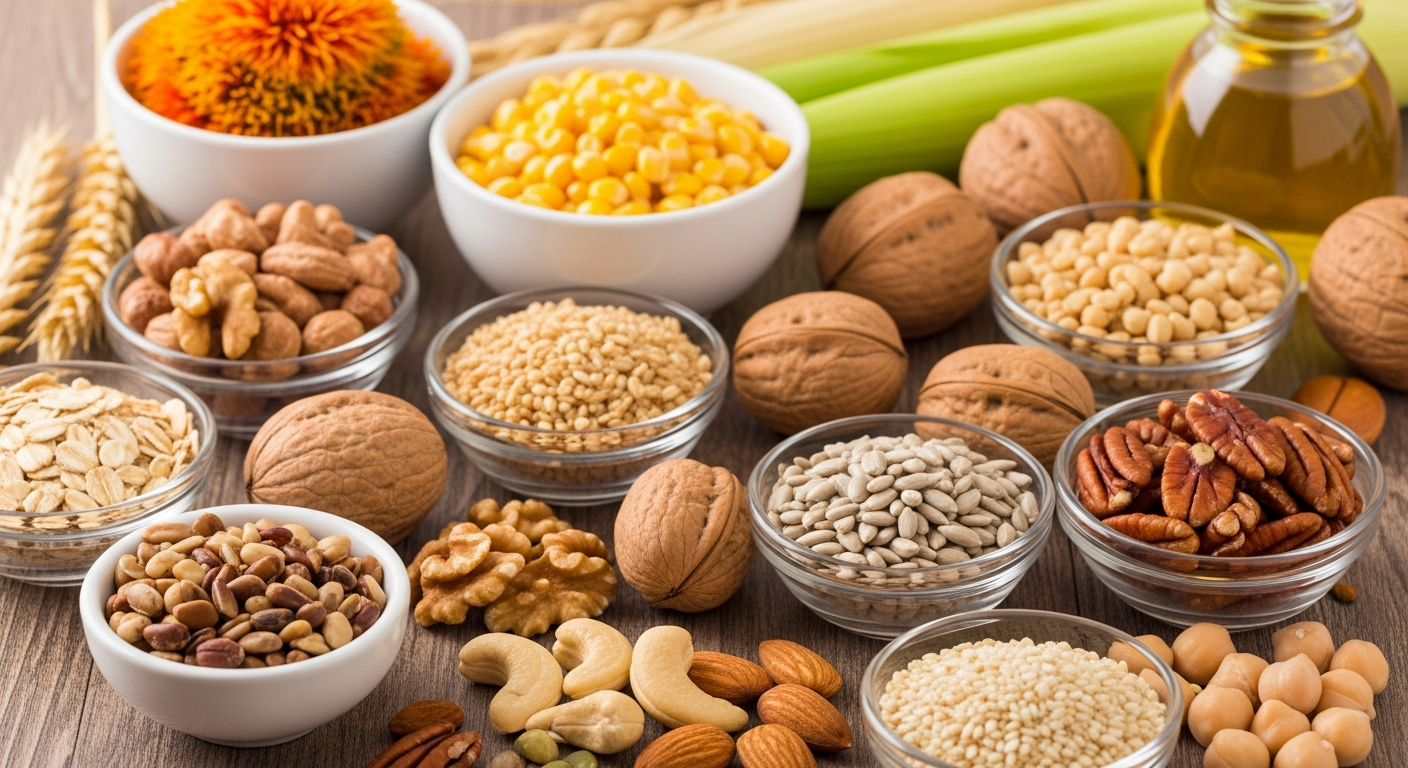
Quality omega-6 sources include raw nuts and seeds, cold-pressed nut and seed oils, and oils extracted through expeller-pressing methods. These minimally processed options provide omega-6 fatty acids in their natural form, accompanied by protective antioxidants and co-factors.
Reading Labels for Processing Methods
Label reading becomes vital for identifying quality oils versus heavily processed alternatives. Look for terms like “cold-pressed,” “expeller-pressed,” “unrefined,” or “extra virgin.” Avoid oils labeled as “refined,” “bleached,” “deodorized,” or those that don’t specify their extraction method.
Packaging also provides clues about quality. Oils stored in dark glass bottles or tin containers protect against light damage that can create oxidation products. Clear plastic bottles allow light penetration that degrades oil quality over time.
Ingredient lists should be simple: just the oil without added preservatives, anti-foaming agents, or other chemical additives. Quality oils may include natural antioxidants like vitamin E (tocopherols) to prevent rancidity, but should avoid synthetic preservatives and processing aids.
Balance Your Ratio Naturally for Optimal Health
Achieving optimal omega fatty acid balance requires a two-pronged approach: reducing intake of processed omega-6 oils while increasing consumption of omega-3 fatty acids. This strategy naturally restores the ancestral balance that supports healthy inflammatory responses.
Focus on whole food sources rather than processed alternatives. Replace refined vegetable oils with cold-pressed options used sparingly. Increase consumption of fatty fish, grass-fed meats, and omega-3 rich plant sources like flax seeds, chia seeds, and walnuts. This approach provides both essential fatty acid types in their most beneficial forms.
Reducing processed food consumption automatically decreases intake of damaged omega-6 oils while supporting overall health. Ultra-processed foods typically contain the most problematic oil forms, so eliminating these products addresses multiple nutritional concerns simultaneously.
The goal isn’t to eliminate omega-6 fatty acids but to consume them in balanced proportions with omega-3s, primarily from whole food sources or minimally processed oils. This natural approach supports the body’s inflammatory resolution pathways while providing the essential fatty acids needed for optimal cellular function.
For detailed guidance on achieving optimal fatty acid balance through natural approaches, Mercy Family Health and Pain Management offers whole-person health strategies that address nutrition, inflammation, and overall wellness.
Mercy Family Health and Pain Management
531 Delarme Road
DuBois
PA
15801
United States