Chiropractor Dr. Shawn Morris, DC, explains evaluation-based conservative care considerations for sciatica and radiating leg pain, including common causes, first-line management strategies, and signs that require further medical evaluation.
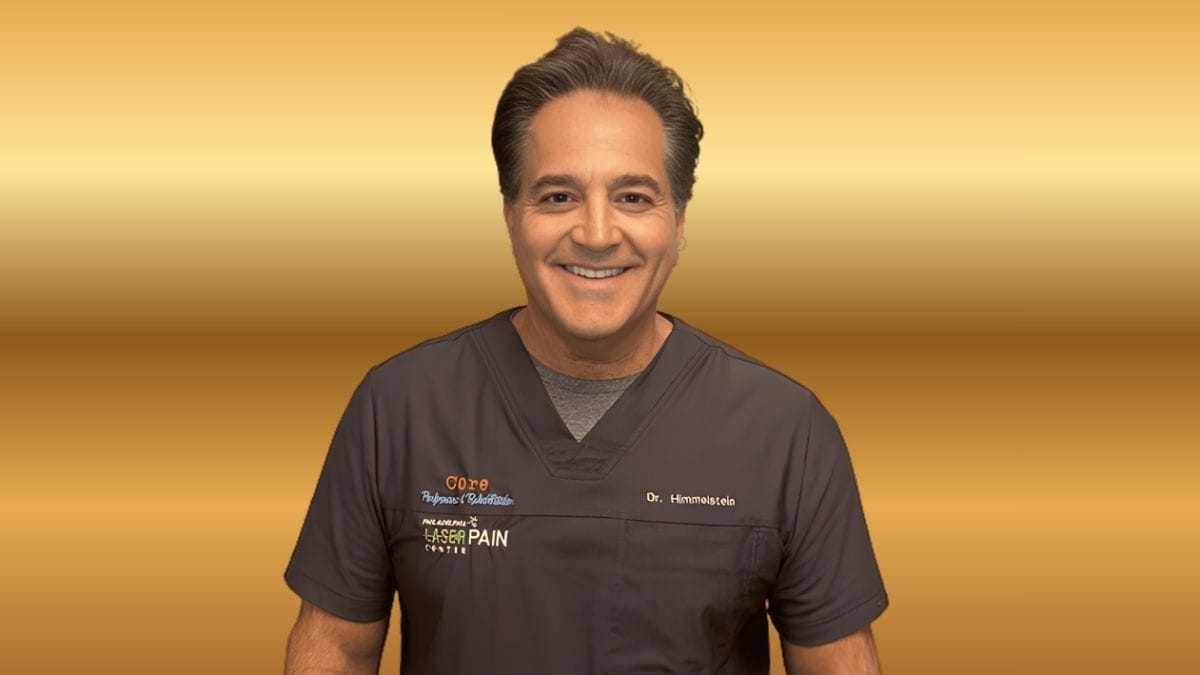
EAST BRUNSWICK, N.J. — January 16, 2026 — Chiropractor Dr. Shawn Morris, DC, provides evaluation-based conservative musculoskeletal care and commonly sees patients seeking guidance for sciatica and radiating leg pain, a symptom pattern often associated with lower back conditions.
Sciatica is generally described as pain that travels along the sciatic nerve pathway, extending from the lower back through the buttock and into the leg. The National Institutes of Health describes sciatica as a symptom that may be linked to disc-related conditions, spinal changes, or soft-tissue irritation affecting nerve structures. Clinical guidance typically emphasizes conservative management when no urgent neurological findings are present.
“Radiating leg pain has multiple potential contributors,” Morris said. “Evaluation helps determine whether symptoms are mechanical, nerve-related, or require referral for additional medical assessment.”
The American College of Physicians includes non-surgical approaches in its guidance for managing low back pain, noting that treatment decisions are guided by severity, duration, and functional impact. Mayo Clinic similarly notes that many cases of back-related leg pain improve with conservative measures over time, including activity adjustments and gradual return to movement.
Patients frequently seek care when discomfort begins interfering with sitting tolerance, sleep, walking, or work duties. The clinic reports that common patient questions include how long symptoms may persist, what activities may aggravate the condition, and how care plans are determined based on individual findings.
Research indexed through the National Institutes of Health’s National Library of Medicine describes variability in outcomes across conservative interventions for back-related pain and emphasizes that improvement often depends on symptom duration, mechanical factors, and adherence to care recommendations. The National Center for Complementary and Integrative Health, part of the NIH, notes that research on certain non-surgical approaches in musculoskeletal pain shows mixed findings, with response influenced by condition type and treatment protocol.
“Patients often want to know what they should and should not do,” Morris said. “Conservative care planning focuses on reducing irritation, supporting mobility, and monitoring whether symptoms are improving.”
The clinic emphasizes that progressive weakness, loss of bowel or bladder control, or rapidly worsening neurological symptoms require immediate medical evaluation. Care recommendations depend on individual findings, and not every patient is a candidate for the same approach.
Dr. Morris practices at ReliefNow Laser East Brunswick, where he provides conservative evaluation for musculoskeletal conditions affecting the spine, joints, and soft tissues.
###
Media Contact:
Dr. Shawn Morris, DC
ReliefNow Laser East Brunswick
Phone: 732-353-6677
Website: https://reliefnowlaser.com/providers/east-brunswick/