Chiropractor Dr. Shawn Morris, DC, outlines evaluation-based conservative care considerations for neck pain and cervical-related symptoms, including common contributing factors, first-line management approaches, and when further medical evaluation may be needed.
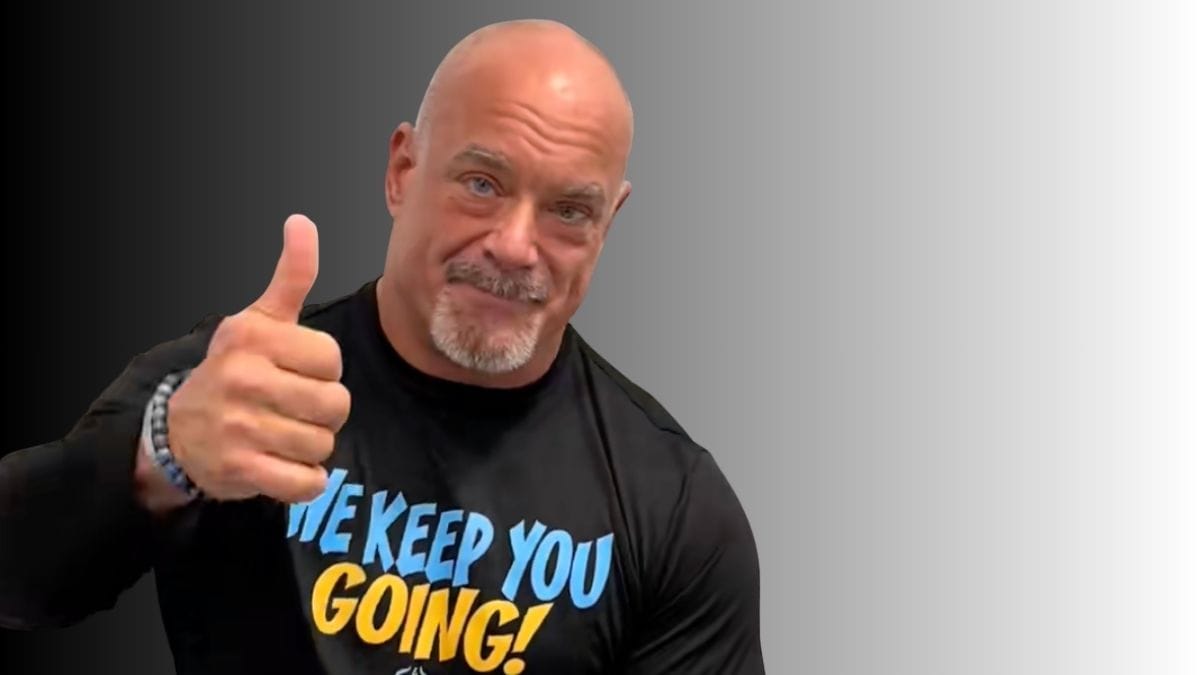
EAST BRUNSWICK, N.J. — January 16, 2026 — Chiropractor Dr. Shawn Morris, DC, provides evaluation-based conservative musculoskeletal care and commonly sees patients seeking guidance for neck pain, stiffness, and related mobility limitations that affect daily activity and work tolerance.
Neck discomfort may involve joint restriction, muscular strain, posture-related stress, or degenerative changes in cervical structures. The National Institutes of Health describes neck pain as a common musculoskeletal complaint that can be influenced by daily activity demands, prolonged sitting, and ergonomic factors.
“Neck pain often develops gradually and may involve multiple mechanical contributors,” Morris said. “Evaluation helps determine whether symptoms are muscular, joint-related, posture-driven, or require referral.”
Mayo Clinic guidance on neck pain emphasizes activity modification, mobility support, and posture awareness as common non-surgical approaches. MedlinePlus, a service of the U.S. National Library of Medicine, notes that conservative strategies often focus on maintaining movement while reducing aggravating stress on affected tissues.
Patients frequently seek care when neck discomfort begins interfering with sleep, driving, computer work, or daily routines. The clinic reports that common questions include how long stiffness may persist, what movements should be limited, and how care planning is determined based on evaluation findings.
Research indexed through the National Institutes of Health’s National Library of Medicine describes variability in response to conservative interventions for neck-related musculoskeletal conditions and emphasizes the importance of individualized planning based on symptom presentation and functional limitation. The National Center for Complementary and Integrative Health notes that research on certain non-surgical approaches in musculoskeletal care shows mixed outcomes and highlights the role of proper evaluation.
“Patients often want guidance on how to reduce strain while staying active,” Morris said. “Conservative care planning typically involves supporting mobility, addressing contributing mechanics, and monitoring functional progress.”
The clinic emphasizes that symptoms such as arm weakness, numbness, coordination difficulty, or history of trauma require further medical evaluation. Care recommendations depend on individual findings, and not every patient is a candidate for the same approach.
Dr. Morris practices at ReliefNow Laser East Brunswick, where he provides conservative evaluation for musculoskeletal conditions affecting the spine, joints, and soft tissues.
###
Media Contact:
Dr. Shawn Morris, DC
ReliefNow Laser East Brunswick
Phone: 732-353-6677
Website: https://reliefnowlaser.com/providers/east-brunswick/