Update outlines common applications for portable storage across residential, construction, and small business settings
SYDNEY, AUSTRALIA – January 22, 2026 — SCF, an Australia-based container solutions provider, issued an informational update outlining common storage use cases for 20ft shipping containers as demand grows for flexible, on-site space across residential and commercial projects.
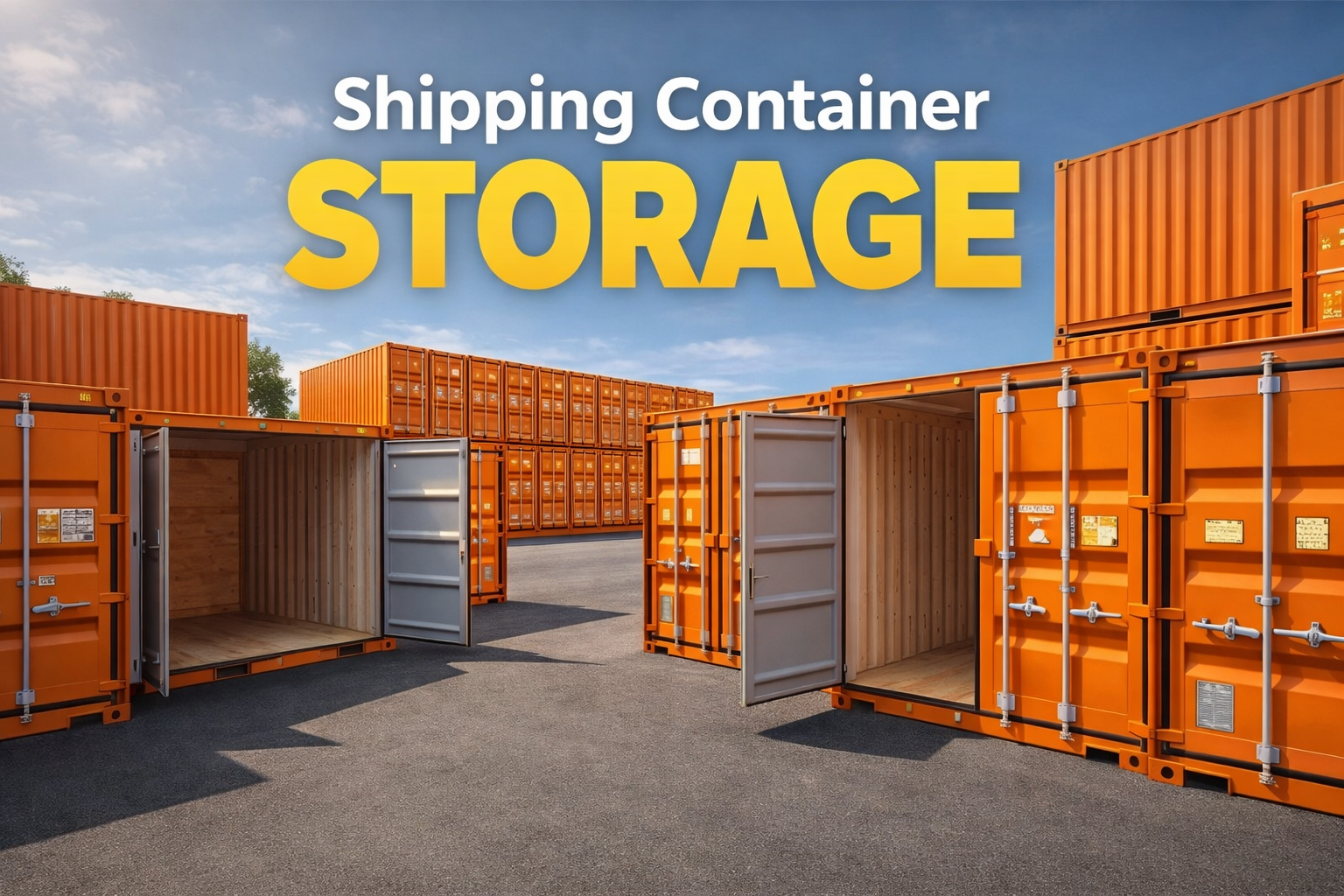
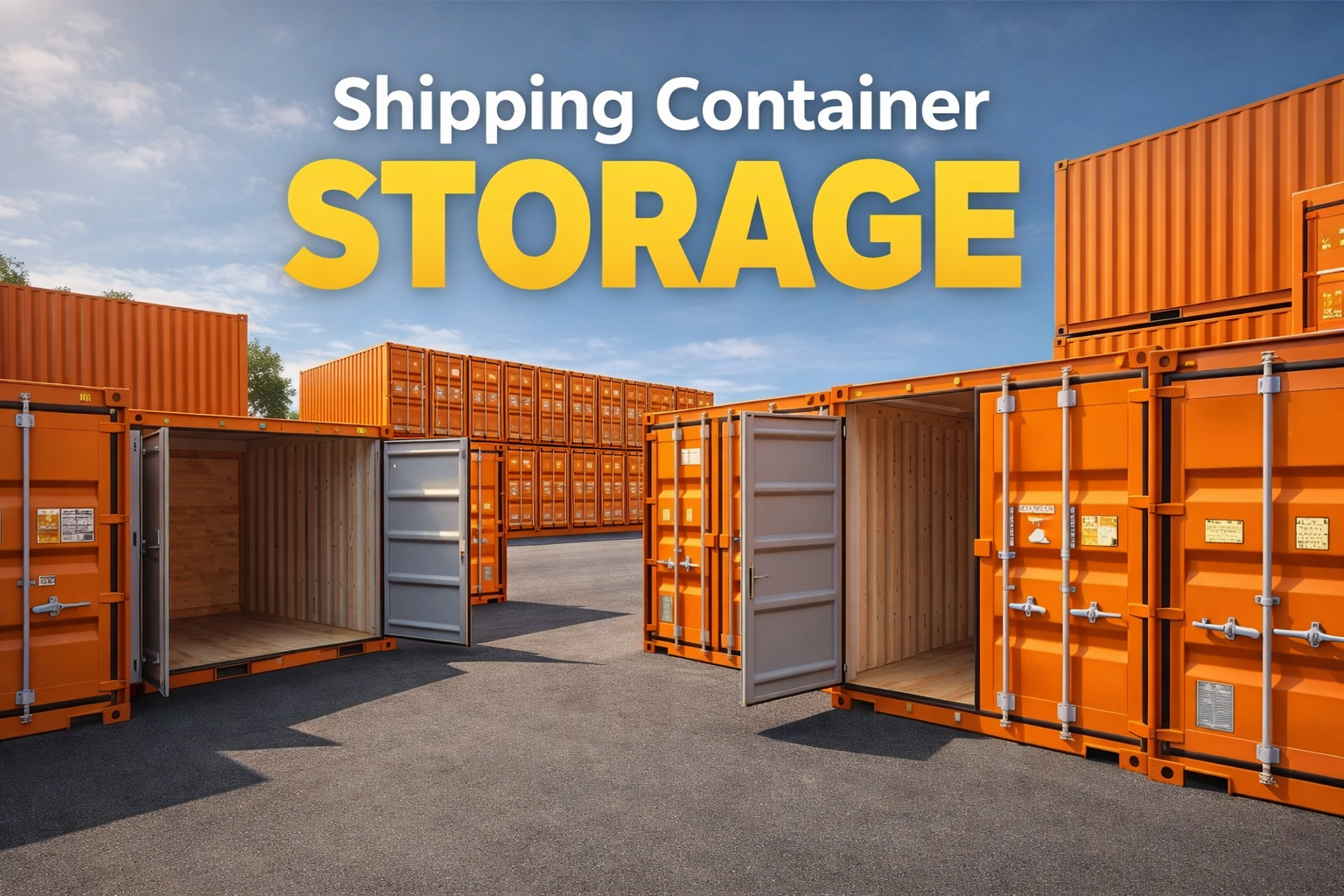
According to SCF, 20-foot shipping containers continue to be used across Australia for short-term and long-term storage needs, including home renovation staging, construction material storage, tools and equipment protection, and small business inventory management. The company stated that the update was released to provide context on how 20-foot container units are being applied in modern storage planning.
“Projects and businesses increasingly need storage solutions that can be deployed quickly and managed on location,” said Justin Speedy, Chief Executive Officer of SCF. “This guidance is intended to outline how 20-foot containers are commonly used to support secure storage needs while maintaining flexibility for changing site requirements.”
SCF noted that 20-foot containers are frequently selected for their balance of capacity and site compatibility. The company stated that the format is often used on properties or worksites where space may be limited, including urban sites, residential driveways, and compact commercial locations. SCF added that standardized sizing may also support simpler logistics for transport and placement.
The update also highlights durability and weather resistance as common factors in container-based storage decisions. According to SCF, shipping containers are designed for challenging conditions and may help protect stored goods from exposure to outdoor environments. The company stated that this can be relevant for customers storing tools, furniture, site materials, seasonal inventory, or sensitive equipment.
In addition, SCF stated that mobility remains a key reason containers are used for storage across multiple industries. The company noted that a container unit can be relocated when project timelines change or when storage needs shift to a new location, supporting use cases such as rotating job sites, temporary event storage, and seasonal business operations.
Security was also cited as a consideration for users storing higher-value items. SCF stated that shipping containers are often used when customers need lockable, enclosed space on-site, including for construction equipment, retail stock, and project materials that require controlled access.
SCF further noted that many customers evaluate containers based on adaptability and modification options. The company stated that container storage units may be configured with internal shelving, ventilation, lighting, or partitions depending on use requirements. SCF added that in some cases, containers are repurposed for non-storage functions such as workshops or site offices, depending on permitting and project needs.
SCF stated that its informational update is intended to support planning and operational decision-making and that customers should assess site conditions, access requirements, and storage safety practices prior to deployment.
Additional information about SCF and container storage solutions is available through the company’s website.
About SCF
SCF is an Australia-based provider of container solutions supporting storage and operational needs for residential, construction, and business customers. The company supplies shipping container units and related services for on-site and portable storage applications.
Media Contact
SCF
Justin Speedy, Chief Executive Officer
Email: info@scf.com.au
Website: https://scf.com.au/