Australia’s Wind Power Expansion and Its Workforce Demands
Sydney, Australia – January 15, 2026 / Vinova /
Vinova Wind Energy Recruitment: Building Australia’s Clean Energy Workforce
How Energy Staffing Is Shaping the Future of Clean Power Projects
The global shift toward sustainable power generation is reshaping the workforce, and Vinova Wind Energy Recruitment is emerging as a key driver of employment in Australia’s clean energy landscape. As the country accelerates its renewable transition, demand for skilled workers in wind energy projects is climbing across the construction, engineering, and operations sectors.
Recruitment firms, developers, and educational institutions are responding to this shift by investing in new training pathways, workforce planning, and targeted hiring strategies. Among them, Vinova continues to strengthen its position as one of Australia’s leading renewable energy specialists, supporting employers in building capable teams that deliver on project timelines and sustainability commitments.
These efforts are laying the foundation for a resilient, skilled workforce of renewable energy professionals prepared to support Australia’s wind power infrastructure from planning through to long-term operation. This press release explores the factors driving growth in wind energy recruitment, the types of roles being created, workforce challenges, and the broader role of energy staffing in achieving national clean energy goals.
Australia’s Wind Power Expansion and Its Workforce Demands
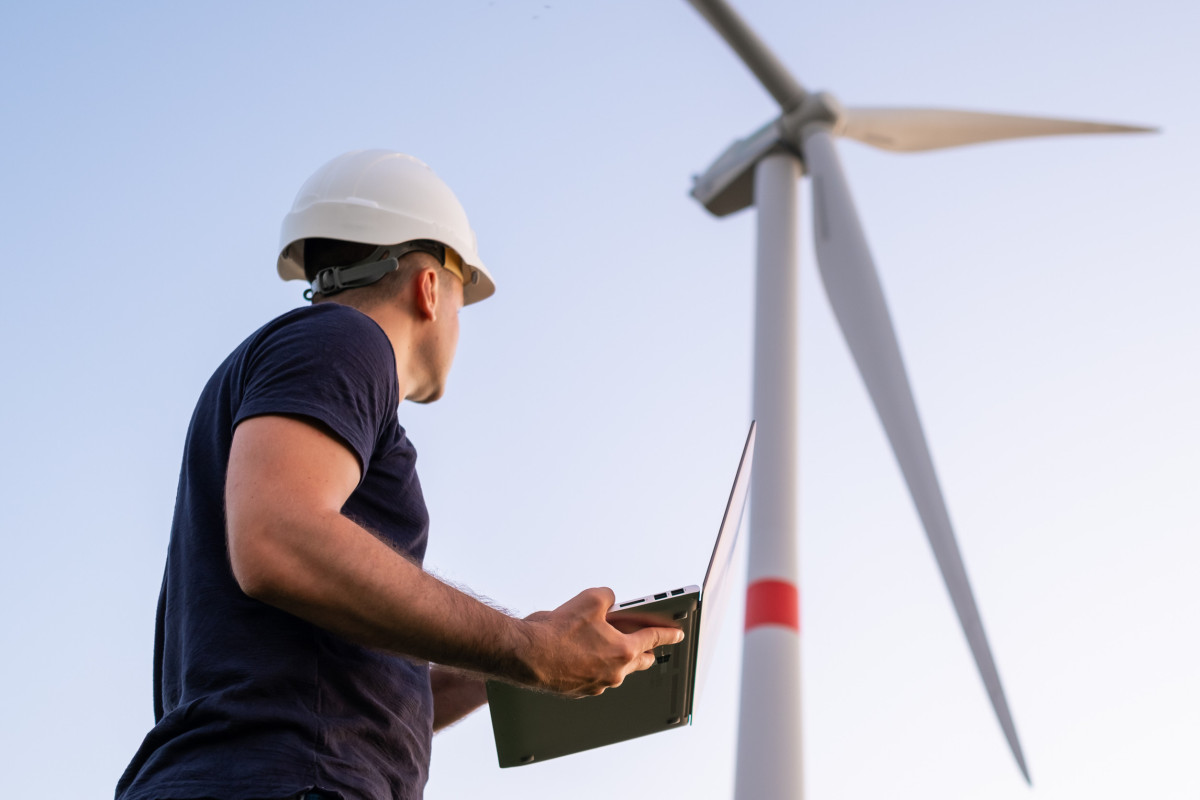
Wind energy now accounts for more than a third of all renewable electricity generation in Australia, with over 100 wind farms operating across the country and more in development. With onshore and offshore wind capacity expanding in nearly every state, wind energy recruitment is essential to ensuring these projects are staffed, built, and maintained efficiently.
Workforce requirements span multiple phases of project development. In the early stages, recruitment focuses on civil engineers, environmental planners, geotechnical surveyors, and legal advisors. During construction, the need shifts to crane operators, turbine assembly specialists, safety officers, and electrical technicians. Once operational, long-term roles emerge in asset management, monitoring, and maintenance.
Recruitment in this sector is highly specialized, requiring knowledge of technical certification standards, safety protocols, and industry-specific project timelines. Wind energy recruitment professionals help align candidate qualifications with evolving employer needs, providing a critical link in the clean energy employment chain.
Clean Energy Employment Across Regional and Urban Australia
Wind energy projects are often located in regional areas where open landscapes and consistent wind conditions support large-scale turbine installations. This geographic factor makes workforce planning more complex, as employers must recruit candidates willing to travel or relocate, and provide support for temporary or permanent housing near project sites.
At the same time, clean energy employment opportunities are growing in urban centers where project planning, supply chain logistics, engineering design, and remote asset monitoring are handled. Recruitment firms are increasingly coordinating cross-regional hiring efforts that connect urban-based professionals with rural project opportunities, creating a national approach to workforce development.
This dynamic is helping to balance job creation across states and territories while encouraging upskilling and regional development. It also supports greater workforce mobility within the energy sector, allowing experienced workers to move between projects and roles over time.
Roles and Skills in High Demand for Wind Energy Recruitment
Wind energy recruitment covers a broad spectrum of job functions, each requiring specific competencies and certifications. Key technical roles include turbine technicians, commissioning engineers, mechanical fitters, and electrical supervisors. These positions typically require a mix of trade qualifications, safety training, and experience working in outdoor or high-altitude environments.
Non-technical roles are also essential. Project schedulers, procurement officers, quality assurance inspectors, and environmental compliance specialists all play important roles in supporting wind energy projects. Employers increasingly seek candidates who can adapt to fast-paced project environments and collaborate across multidisciplinary teams.
In many cases, transferable skills from other industries—such as mining, construction, aviation, or maritime operations—are valued. Workers from these sectors bring valuable experience in heavy machinery operation, safety management, and remote site logistics. Recruitment professionals assist in matching these skill sets to the specific needs of wind energy projects.
The Role of Renewable Energy Specialists in Project Delivery
Renewable energy specialists play a critical role in ensuring wind projects are delivered safely, efficiently, and on time. These individuals possess advanced technical knowledge and industry insight that allows them to manage complex variables such as weather impact, regulatory compliance, and equipment performance.
In the context of wind energy recruitment, renewable energy specialists are not just candidates; they are often advisors, trainers, and team leaders who help upskill other workers and promote best practices on site. Their involvement adds value to project delivery by reducing downtime, improving safety outcomes, and contributing to continuous improvement across project phases.
Recruiters and employers often work together to identify individuals with these specialist skills early in the hiring process. Once placed, they often become core members of project teams, with some transitioning into permanent operations and management roles once construction ends.
Workforce Planning for Long-Term Wind Project Success
As wind energy projects span years from design to operation, workforce planning has become a critical component of project success. Employers now require more than short-term hiring solutions; they need long-term staffing strategies that address each phase of project development and anticipate future workforce needs.
Wind energy recruitment firms assist with this planning by mapping talent availability, monitoring certification trends, and tracking project timelines. This allows them to advise employers on when and where to recruit, which roles require the most lead time, and how to build continuity across multiple project sites.
Strategic workforce planning also reduces hiring delays, cost overruns, and onboarding challenges. It enables companies to build talent pools, mentor junior employees, and implement training programs that support career development in clean energy employment.
Addressing Challenges in Wind Energy Staffing
Despite significant growth, wind energy recruitment faces challenges related to skills shortages, geographic constraints, and training infrastructure. In some regions, a lack of local trade schools or industry-specific training can limit the available talent pool. Additionally, many skilled workers are still engaged in other sectors and may not yet be aware of opportunities in clean energy.
To address these challenges, recruiters are adopting proactive outreach strategies. This includes working with training providers to align curriculum with industry needs, engaging with career changers seeking more sustainable work, and partnering with Indigenous and community employment programs to broaden candidate diversity.
Retention is also a focus. Employers are implementing policies that support mental health, physical safety, career progression, and work-life balance to ensure long-term engagement in wind energy roles. Recruitment firms support these efforts by identifying candidates who are well-suited for remote or demanding project environments and by promoting a culture of safety and inclusion.
The Importance of Safety and Certification in Recruitment
Wind energy work environments are highly regulated to protect both workers and equipment. Safety protocols are rigorous and certifications are often non-negotiable. For this reason, wind energy recruitment firms place significant emphasis on verifying qualifications, conducting background checks, and ensuring candidates meet industry standards.
Common certifications include working at heights, confined space entry, high-voltage awareness, CPR and first aid, and machinery operation. Many employers also require site-specific inductions and familiarity with energy compliance frameworks.
Recruiters add value by pre-screening candidates and guiding those who need additional training before entering the job site. This reduces onboarding delays and improves safety outcomes. It also contributes to a higher quality talent pool across the wind energy sector.
Diversity and Inclusion in Wind Energy Recruitment
Building an inclusive workforce is becoming a priority in energy staffing. Women, Aboriginal and Torres Strait Islander peoples, veterans, and younger job seekers are all underrepresented in many clean energy roles. Wind energy recruitment is evolving to address these gaps by creating equitable hiring pathways and removing barriers to entry.
Recruiters are working with industry associations and government programs to promote inclusion, offer scholarships or traineeships, and create culturally safe workplaces. Employers are encouraged to remove biased language from job ads, provide flexible rosters, and actively support professional development for underrepresented groups.
These diversity efforts are not just a social imperative. They are also essential for building a strong, future-ready workforce that reflects the full range of talent available across Australia.
Urban Recruitment and Remote Project Integration
While wind farms are typically built in rural and coastal regions, many project functions are carried out in urban centers. Recruitment in cities such as Sydney, Melbourne, Brisbane, and Adelaide supports the project lifecycle through engineering, planning, procurement, legal, and environmental services.
As a result, wind energy recruitment involves both remote and urban hiring strategies. Professionals recruited in metropolitan areas may contribute remotely or commute during project phases. Increasingly, companies are investing in hybrid models that allow flexibility while still maintaining project efficiency.
The integration of urban and remote hiring models requires careful coordination. Recruiters help manage this process by understanding logistical constraints, travel schedules, and project expectations. This ensures teams are aligned regardless of physical location.
Technology’s Role in Modern Energy Staffing
Technology is becoming central to the recruitment and staffing process. Digital platforms allow recruiters to match candidates to roles based on qualifications, location, and availability. Applicant tracking systems, workforce planning tools, and certification databases help streamline hiring and maintain compliance with industry standards.
Recruitment analytics are also being used to identify trends, measure candidate performance, and forecast hiring needs. This data-driven approach enhances efficiency and improves long-term workforce planning.
In wind energy recruitment, digital tools also support candidate engagement. Virtual interviews, online assessments, and remote onboarding have become standard, especially when recruiting across state lines or for remote project sites.
Educational Pathways and Workforce Readiness
Preparing the next generation of renewable energy specialists requires a strong education-to-employment pipeline. Universities, technical colleges, and registered training organisations are expanding course offerings in wind energy, electrical systems, environmental science, and project management.
Wind energy recruitment firms work closely with these institutions to identify high-potential candidates and shape programs that align with real-world project demands. Internship programs, apprenticeships, and graduate pathways are helping bridge the gap between classroom learning and job site performance.
Ongoing education is also critical. As turbine technologies evolve and safety protocols become more sophisticated, experienced workers must stay current. Recruitment firms often advise candidates on upskilling opportunities and connect them with certified training providers.
Frequently Asked Questions
What is wind energy recruitment?
Wind energy recruitment is the process of sourcing, screening, and placing qualified candidates in roles related to wind energy projects. This includes technical positions, support roles, and management jobs across construction, commissioning, and operations phases.
What roles are available in wind energy?
Common roles include turbine technicians, electrical supervisors, crane operators, project managers, environmental specialists, safety officers, and logistics coordinators. There are also opportunities in legal, engineering, administration, and asset management.
Who hires renewable energy specialists?
Employers include wind farm developers, construction contractors, maintenance firms, energy retailers, government agencies, and engineering consultancies. Many use recruitment agencies to access pre-screened, qualified candidates with wind-specific experience.
Do I need experience to get into wind energy?
Not always. Many entry-level roles are open to candidates with trade qualifications, safety certifications, and a willingness to work in outdoor or remote environments. Training and upskilling opportunities are available for those new to the sector.
Is wind energy a long-term career option?
Yes. Wind energy careers are considered stable due to long-term project lifespans and national clean energy targets. Many roles evolve into permanent positions supporting operations and maintenance.
How can I start a career in wind energy?
Begin by identifying transferable skills or obtaining relevant certifications such as working at heights or electrical trade licenses. Connect with energy staffing firms, attend industry events, and explore training programs specific to renewable energy.

Vinova Wind Energy Recruitment and the Path to a Renewable Workforce
Vinova Wind Energy Recruitment is more than filling roles. It is a strategic component of Australia‘s energy future. As wind projects scale up and diversify, the industry needs a workforce that is prepared, certified, and aligned with the technical and cultural demands of modern energy systems.
Through proactive hiring, training partnerships, and a commitment to inclusion, Vinova is helping deliver safe, efficient, and future-ready clean energy infrastructure. Whether supporting new entrants, seasoned professionals, or career changers, Vinova’s approach to wind energy recruitment offers a clear and meaningful pathway for individuals to contribute to Australia’s renewable transformation.


Contact Information:
Vinova
Level 7 68 Pitt Street
Sydney, New South Wales 2000
Australia
Richard Shaw
+61 2 8246 7777
https://vinova.com.au/