Dublin, OH / Syndication Cloud / March 15, 2026 / SPRY 365
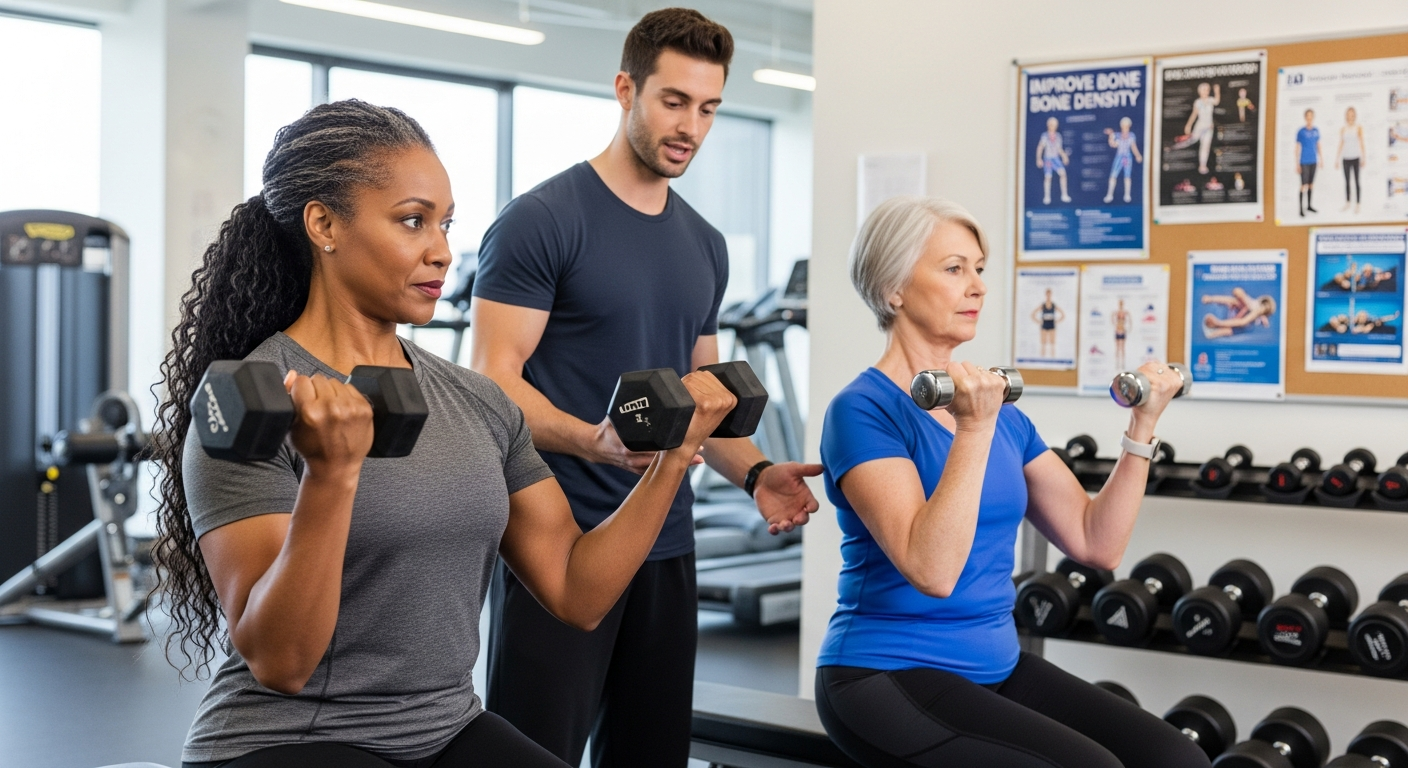
The Postmenopausal Bone Loss Crisis
Every year after menopause, women lose approximately 1-2% of their bone density. This accelerated decline occurs because estrogen, which plays a vital role in bone remodeling, drops dramatically during this transition. Established research has identified the molecular pathway linking estrogen deficiency to increased bone breakdown, revealing how the loss of this hormone activates specific enzymes that enhance osteoclast activity—the cells responsible for bone destruction.
The statistics paint a sobering picture: according to BHOF data, over 10 million Americans have osteoporosis, with 80% being women. One in two women over the age of 50 will experience a fracture caused by osteoporosis in her lifetime. Hip fractures alone affect 300,000 Americans annually, often leading to reduced mobility and independence. The economic burden exceeds $19 billion yearly in medical costs, highlighting the urgent need for effective prevention strategies.
Science Behind Low-Impact Bone Building Technology
1. bioDensity’s Osteogenic Loading Process
Osteogenic loading represents a breakthrough in bone health science. This process involves applying controlled, high-intensity forces to bones through isometric contractions, triggering the body’s natural bone-building response without impact stress. The bioDensity machine delivers this precisely through four key movements targeting major muscle groups: chest press, leg press, core pull, and vertical lift.
During a typical session, users perform maximum-effort contractions for just five seconds per exercise, once weekly. This approach capitalizes on Wolff’s Law—the principle that bones adapt to mechanical stress by becoming stronger. Research demonstrates that multiples of body weight force are necessary to stimulate a significant osteogenic response, levels safely achievable through controlled isometric loading.
2. Power Plate’s Whole-Body Vibration Benefits
Whole-body vibration technology operates on the principle of mechanical stimulation through oscillating platforms. Power Plate’s PrecisionWave technology generates vibrations up to 50 Hz, creating instability that forces muscles to contract reflexively to maintain balance. This process activates significantly more muscle fibers compared to conventional exercise, enhancing strength, balance, and bone density simultaneously.
The vibration stimulus travels through the skeletal system, promoting osteoblast activity—the cells responsible for bone formation. Studies indicate that consistent Power Plate use can increase hip bone density by up to 4.3% in postmenopausal women. The low-impact nature makes it particularly suitable for individuals with joint limitations or balance concerns who cannot safely perform traditional weight-bearing exercises.
3. Research Results: Bone Density Gains in 6-12 Months
Clinical evidence supporting low-impact bone-building technologies continues to accumulate. DEXA scan results from bioDensity users show bone density improvements ranging from 4-8% within 6-12 months of consistent training. T-score improvements represent particularly significant outcomes for osteoporosis management. Users have demonstrated T-score gains of 0.6 points within one year.
When bioDensity and Power Plate training are integrated, users experience synergistic benefits affecting multiple body systems.
Why Traditional Exercise Falls Short for Osteoporosis
High-Impact Risks vs. Low-Impact Safety
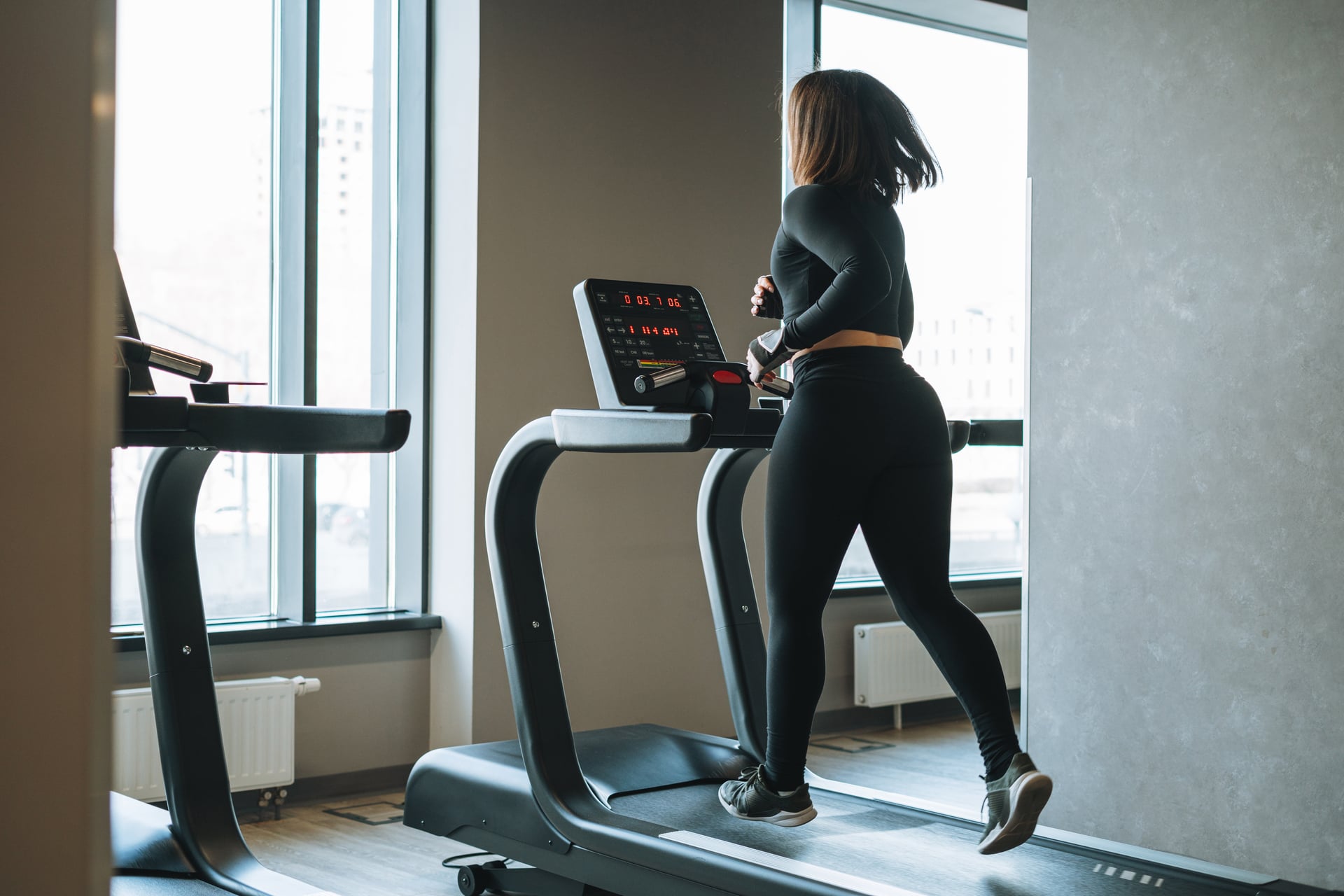
Conventional fitness recommendations for bone health often include high-impact activities like running, jumping, or plyometric exercises. While these movements can stimulate bone formation in healthy individuals, they pose significant risks for women with existing bone loss. High-impact forces can exceed compromised bone strength, leading to stress fractures or complete breaks during exercise.
Forward bending movements, twisting motions, and exercises requiring sudden direction changes are particularly dangerous for those with osteoporosis. The spine’s vertebrae, already weakened by bone loss, become susceptible to compression fractures during improper loading. Traditional weightlifting also presents risks when proper form cannot be maintained due to strength limitations or mobility restrictions.
Low-impact alternatives eliminate these dangers while still providing necessary mechanical stimuli for bone adaptation. Controlled loading through specialized equipment allows users to generate significant force safely, without exceeding tissue tolerance levels. This approach enables individuals with severe bone loss to participate in bone-building exercise without fear of injury.
Time Efficiency: 15-25 Minutes vs. Hour-Long Sessions
Traditional strength training protocols often require 45-60 minutes per session, 3-4 times weekly, creating barriers for busy women managing multiple life responsibilities. The time commitment, combined with gym intimidation factors, leads to poor adherence rates among the target population most needing bone health interventions.
Specialized bone-building technologies compress effective training into 15-25 minute sessions. SPRY 365’s program structure includes a 2-3 minute Power Plate warm-up, 5-10 minutes of bioDensity exercises, and 10-15 minutes of targeted Power Plate movements. This efficiency allows for twice-weekly participation without major lifestyle disruption.
5 Bone-Building Exercises to do at Home
While professional equipment provides optimal results, women can implement bone-healthy exercises at home to supplement studio training. These movements focus on major weight-bearing bones and can be performed safely with minimal equipment.
Wall Push-Ups: Stand arm’s length from a wall, place palms flat against the surface, and perform push-up movements. This exercise loads the arms and spine safely while building upper body strength. Progress by moving feet farther from the wall to increase resistance.
Chair-Supported Squats: Using a sturdy chair for balance, perform partial squats focusing on controlled movements. This exercise targets hip and spine bones while improving leg strength. Start with shallow ranges and progress gradually as strength improves.
Heel Raises: While holding a counter for balance, rise onto toes and lower slowly. This movement strengthens calves while providing gentle loading to leg bones. Perform 10-15 repetitions, focusing on smooth, controlled motion.
Standing Marches: Lift alternate knees while maintaining balance and posture. This exercise challenges balance systems while providing dynamic loading to the spine and hips. Start with 30-second intervals and progress to longer durations.
Modified Planks: Begin on knees and forearms, maintaining straight line from knees to head. This isometric exercise strengthens core muscles supporting spinal alignment while providing controlled loading. Hold for 10-30 seconds based on ability level.
Measurable Results Beyond Bone Density
1. Significant Strength Improvements Through Isometric Training
Isometric training delivers robust strength gains that complement those achieved through traditional dynamic exercises. When muscles contract against immovable resistance, they recruit maximum motor units, creating superior strength adaptations in specific positions. Both isometric and dynamic training offer unique benefits that can work together for optimal results.
Strength increases also provide protective benefits beyond bone health. Stronger muscles better support joints, reducing arthritis pain and improving movement quality. Enhanced muscle mass contributes to metabolic health, increasing daily calorie burn and supporting healthy weight maintenance throughout aging.
2. Balance Improvements Reduce Fall Risk
Balance deterioration represents a critical risk factor for fractures in women with osteoporosis. Falls cause 95% of hip fractures and significantly increase mortality risk in older adults. Power Plate training specifically addresses balance deficits through proprioceptive challenges that improve stability systems.
The unstable vibration platform forces constant micro-adjustments in posture, strengthening the small stabilizing muscles often neglected in traditional exercise. These adaptations improve reactive balance—the ability to recover from unexpected perturbations that could otherwise result in falls.
3. Blood Sugar Control and Metabolic Benefits
Exercise interventions targeting bone health deliver unexpected metabolic benefits. The muscle contractions involved in osteogenic loading improve glucose uptake by skeletal muscle, enhancing insulin sensitivity. Users consistently report improved blood sugar control, with documented improvements in glucose management.
These metabolic improvements have far-reaching health implications. Better glucose control reduces inflammation, supports cardiovascular health, and may slow aging processes. For women managing diabetes alongside osteoporosis, the dual benefits provide wide-ranging health improvements through single interventions.
Weight management also improves through increased muscle mass and metabolic rate. Muscle tissue burns significantly more calories at rest compared to fat tissue, supporting healthy weight maintenance as women age. Combined with improved strength and balance, these metabolic benefits contribute to overall vitality and health span.
Build Bone, Find Fitness, Live Longer
Shifting to low-impact, high-intensity approaches eliminates traditional exercise barriers while delivering superior outcomes for postmenopausal women.
The efficiency factor cannot be overstated: 15-25 minute sessions that deliver measurable bone density improvements, strength gains, and balance improvements provide realistic solutions for busy women. This accessibility ensures that bone health interventions can become sustainable lifestyle components rather than temporary fitness experiments.
Success requires consistency and proper guidance, but the investment yields dividends in maintained independence, reduced fracture risk, and improved quality of life. Women who prioritize bone health through evidence-based approaches position themselves for active, confident aging rather than decline and dependency.
SPRY 365
5995 Wilcox Pl Suite E
Dublin
OH
43016
United States