Little Silver, NJ / Syndication Cloud / March 15, 2026 / PNE Construction LLC
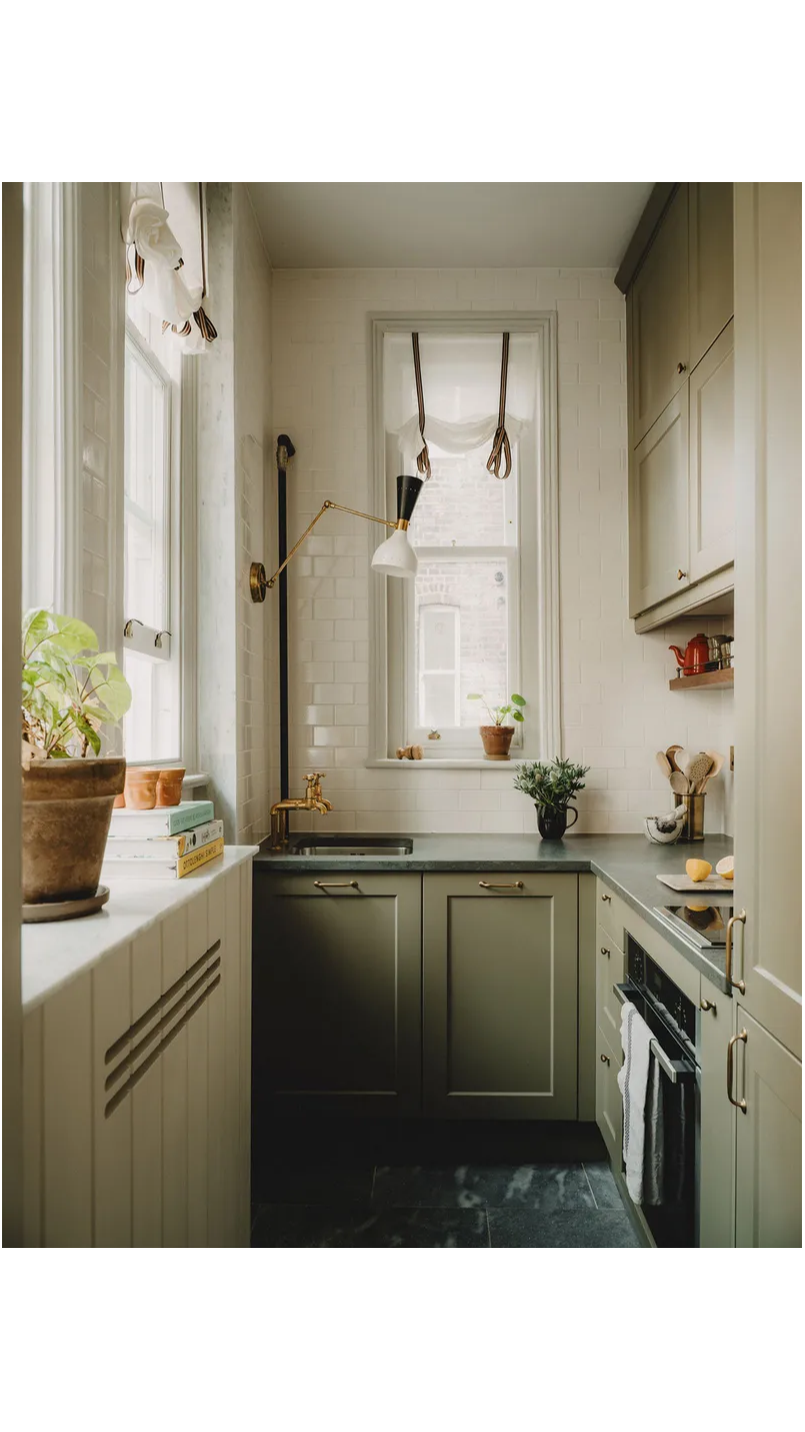
Small kitchens challenge homeowners more than any other room because limited space makes daily cooking feel cramped and frustrating. Most families spend significant time preparing meals and gathering around food, yet tight quarters turn simple tasks into complicated choreography.
Kitchen renovation specialists at PNE Construction note that expanding kitchen footprints have become one of the most requested changes in residential remodeling projects. Recent data from the National Kitchen & Bath Association’s 2026 Kitchen Trends Report reveals that 76 percent of industry professionals expect kitchen footprints to increase over the next three years, even as overall home sizes decline. This trend means more households prioritize functional kitchen space, driving demand for remodeling solutions that maximize every available inch without expensive additions or structural changes.
Why Kitchen Remodeling Actually Matters
Kitchens serve as the heart of homes, where families gather for meals, conversations, and daily routines that shape household life. When this central space feels cramped or dysfunctional, it affects everything from meal preparation to family bonding and overall home enjoyment. Poor layouts waste time, create frustration, and make simple cooking tasks unnecessarily difficult for anyone using the space regularly.
Beyond daily function, kitchen condition directly impacts home values and appeals to potential buyers down the road. Real estate professionals consistently report that updated kitchens rank among the top factors influencing purchase decisions and final sale prices. Even modest improvements deliver measurable returns because buyers recognize the expense and disruption of major kitchen renovations they’d otherwise face.
Small kitchens present unique challenges that generic solutions can’t address effectively without understanding spatial limitations and workflow patterns. What works in spacious layouts often fails miserably in compact spaces, creating bottlenecks and wasted square footage instead of improvements. Strategic remodeling tailored to limited dimensions transforms problem areas into efficient spaces that punch above their weight class.
Modern Remodeling Ideas for Kitchens
Smart Layout Configurations
Galley setups arrange everything along two facing walls, keeping all essentials within arm’s reach during meal preparation. L-shaped designs open one side completely for dining or extra counter space while turning corners into valuable storage. One-wall layouts push all appliances against a single surface, freeing the rest of the room entirely for other uses.
Light Colors That Expand Space
White, cream, and soft gray cabinets reflect light better than dark finishes, creating optical illusions of more square footage. Glossy finishes and glass-front doors bounce light around rooms, making actual measurements feel more generous to anyone working inside. Bold accent colors work when used sparingly on single surfaces rather than dominating every wall and cabinet face.
Layered Lighting Strategies
Under-cabinet lights brighten countertops for detailed tasks while adding ambient glow that makes entire rooms feel more open. Pendant fixtures over islands draw eyes upward, emphasizing ceiling height and creating vertical interest throughout the space. Recessed ceiling lights eliminate shadows in corners that make spaces feel cramped and confined unnecessarily.
Multi-Purpose Features
Islands combine storage, seating, and workspace into one footprint, making them incredibly valuable where space runs tight. Rolling carts offer similar benefits but move aside when floor area matters more for traffic flow or gatherings. Fold-down tables and pull-out cutting boards provide temporary surfaces that disappear completely after use, preserving precious square footage.
Compact Appliances Sized Right
Manufacturers offer 24-inch and 18-inch versions of refrigerators, dishwashers, and ranges for households without room for traditional equipment. Counter-depth refrigerators align with cabinet fronts instead of jutting into rooms, creating built-in looks that feel more spacious. Drawer-style refrigerators fit under counters, keeping ingredients near prep zones without dominating entire walls with bulky units.
Strategic Storage Solutions
Corner cabinets with pull-out systems transform awkward angles into accessible storage that people actually use regularly instead of avoiding. Pull-out pantries fit narrow gaps between appliances, turning overlooked spaces into functional storage that holds surprising amounts of items. Door-mounted organizers on cabinet interiors hold spices and cleaning supplies without consuming precious shelf room needed for larger items.
Visual Expansion Techniques
Continuing flooring materials from adjacent rooms eliminates visual breaks that chop up space and make individual areas feel smaller. Horizontal lines in backsplashes or hardware draw eyes sideways, creating width impressions even in narrow galley configurations that feel confined. Reducing upper cabinets on one wall opens sight lines and prevents the boxed-in feeling that happens with storage everywhere.
Space-Saving Vertical Storage Solutions
Floor-to-ceiling cabinets capture height instead of competing for scarce floor space, which dramatically increases overall storage capacity in compact kitchens. Upper cabinets reaching the ceiling make rooms feel taller while housing seasonal items, specialty equipment, and things rarely needed daily. This vertical approach beats shallow standard cabinets that leave valuable wall space empty and underutilized.
Open shelving keeps everyday dishes visible and accessible without the closed-in feeling that solid cabinet doors create throughout kitchens. Success requires careful organization and restraint since cluttered shelves defeat the spacious purpose and make areas feel messy. These same vertical storage principles apply equally well to bathroom remodels where wall-mounted cabinets and recessed shelving maximize limited square footage. Adding magnetic knife strips, hanging pot racks, and wall-mounted utensil holders frees drawer space while keeping essential tools handy.
Maximizing Wall-Mounted Options:
- Pegboards create customizable storage that adapts to changing needs as cooking tools and preferences evolve
- Wall-mounted spice racks near cooking areas keep seasonings organized without consuming valuable counter or cabinet space
- Floating shelves display attractive dishware while breaking up expansive wall surfaces that feel blank and uninviting
- Under-cabinet stemware racks or paper towel holders utilize space beneath wall-mounted cabinets efficiently
Utilizing Overlooked Spaces:
- Narrow pull-out cabinets between appliances transform six-inch gaps into surprisingly functional pantry storage for oils and spices
- Custom cabinetry above refrigerators holds serving platters, seasonal items, or small appliances used only occasionally
- Toe-kick drawers at cabinet bases provide storage for flat items like baking sheets, cutting boards, and placemats
- The backs of cabinet doors become valuable real estate with hooks, slim baskets, or mounted organizers
Color and Lighting Combinations That Work
Paint colors interact with lighting to either amplify or diminish how spacious kitchens actually feel to anyone working inside them. Cool tones like soft grays and pale blues recede visually, making walls appear farther away than warm colors that advance forward. This optical effect creates perceived depth even in kitchens with identical actual dimensions and square footage measurements.
Combining light cabinet colors with slightly darker walls adds subtle definition without the harsh contrast that makes spaces feel choppy. Monochromatic schemes in varying shades of the same color family create sophisticated looks while maintaining visual continuity throughout. These coordinated palettes feel intentional rather than accidental, elevating overall kitchen design without complicated or expensive material choices.
Task lighting should illuminate work surfaces at appropriate brightness levels for detailed activities like chopping vegetables or reading recipes accurately. Ambient lighting sets overall mood and fills the room with comfortable general illumination that doesn’t create harsh shadows. Accent lighting highlights architectural features or decorative elements that deserve attention while adding visual interest to otherwise plain spaces.
Choosing Materials That Maximize Space Perception
Material selection plays a critical role in how confined kitchens feel because different surfaces reflect light and influence visual flow differently. Glossy backsplash tiles create depth through reflection while matte surfaces absorb light and make walls feel closer than they are. Glass tile backsplashes particularly excel at bouncing light around tight spaces, multiplying the effect of both natural and artificial illumination sources.
Countertop materials impact perceived spaciousness through both color and finish, with lighter quartz or marble alternatives outperforming darker granite options. Continuous countertop surfaces without visible seams create unbroken sightlines that make spaces feel larger than segmented installations do. Choosing the same material for counters and backsplashes eliminates visual breaks that chop up limited square footage into even smaller sections.
Planning Kitchen Transformations
Successful small kitchen remodels begin with honest assessments of actual daily use patterns rather than idealized magazine visions that don’t match reality. Consideration of which activities happen most frequently helps design around specific needs instead of generic layouts that look attractive but fail functionally. Detailed budgets covering both materials and professional labor prevent midproject surprises that force unwanted compromises on important elements.
Prioritizing must-have features over nice-to-have additions becomes necessary when space and budget constraints make including everything impossible or impractical financially. Kitchen renovation specialists bring experience with spatial challenges that helps avoid expensive mistakes while maximizing every available inch. Professional expertise often reveals solutions that inexperienced planners miss completely during initial stages.
Timeline expectations should account for material delivery delays, permit requirements, and the inevitable unexpected issues that arise during any renovation project. Realistic planning reduces stress and disappointment while ensuring final results meet household needs for years ahead, according to remodeling professionals who handle compact kitchen transformations regularly.
PNE Construction LLC
hello@pnepros.com
+1 888 827 6326
115 Oceanport Ave
Ste B
Little Silver
NJ
07739-1229
United States