Burlington, Massachusetts / Syndication Cloud / March 4, 2026 / Alpha Software
Key Takeaways
- Real-time manufacturing inspection software delivers 15-25% operating cost reductions while eliminating the delays and errors inherent in paper-based quality control systems
- Digital inspection platforms reduce inspection time by 40% through automated workflows and mobile-first applications that work directly on the shop floor
- Paper-based processes waste 50-85% of operator time on manual data entry and create significant risks for human error and missing critical defects
- Modern inspection software includes validation rules, automated CAPA workflows, and real-time dashboards that provide instant visibility into quality metrics
- Leading manufacturers like SA Armstrong and Airbus have transformed their inspection processes with digital solutions, achieving faster production and improved accuracy
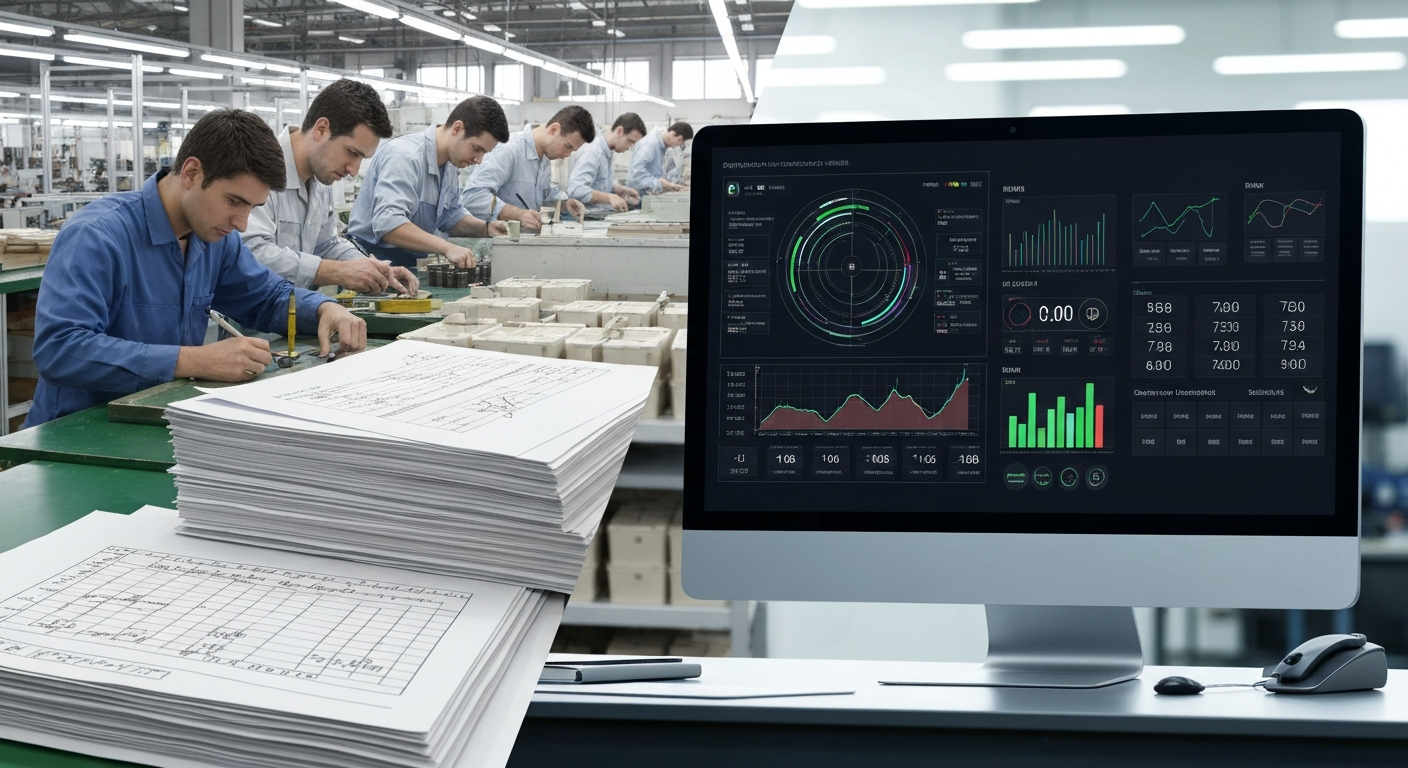
Manufacturing quality managers face a critical choice: continue relying on outdated paper processes that drain resources and increase defect risks, or adopt real-time digital inspection software that transforms operations. The data clearly shows which path leads to success.
Real-Time Data Drives 15-25% Operating Cost Reductions
Access to accurate, real-time data about daily manufacturing activities enables companies to make faster, more informed decisions. Research demonstrates that this immediate visibility reduces operating costs by 15-25% and administrative time by up to 60%. The transformation happens because real-time systems eliminate the delays that plague traditional paper-based workflows.
Real-time data minimizes risks in inspection management by providing accurate, up-to-the-minute information, leading to fewer mistakes and more reliable results. Manufacturing teams can continuously monitor production lines, allowing defects to be identified and corrected on the spot rather than discovered hours or days later during batch reviews. This immediate feedback loop ensures high-quality products while minimizing waste.
Why Paper-Based Quality Control Fails Manufacturing
Paper-based Quality Management Systems suffer from fundamental flaws that make them unsuitable for modern manufacturing environments. These systems create inefficient workflows, high risk of human error, poor data integrity, and lack the real-time visibility needed for proactive issue resolution and compliance management.
1. Human Error Drives Up Defect Rates
Automated data collection removes the risk of errors caused by multitasking workers, inexperience, or illegible handwriting – all common problems in manual data collection processes. Paper-based process control carries significant risks including registration errors, lost forms, manipulated records, unauthorized access, outdated forms, and lack of accuracy during audits.
Human fatigue compounds these issues, as tired operators make more mistakes during critical inspection phases. Visual inspection apps provide an extra set of eyes to reduce operator error, while digital systems incorporate validation rules that prevent incomplete or incorrect submissions.
2. Missing Real-Time Visibility Delays Problem Detection
Paper systems create information silos where critical quality data remains trapped in physical documents until someone manually processes and distributes it. This delay means defects continue multiplying while quality teams work with outdated information.
Without real-time visibility, manufacturing teams cannot identify trends, spot emerging quality issues, or take corrective action before problems escalate. The lack of immediate feedback prevents the continuous monitoring that modern manufacturing requires.
3. Manual Data Entry Wastes 50-85% of Operator Time
Paperless manufacturing systems significantly reduce the time operators spend on manual data entry by approximately 50% to 85%. This dramatic time savings allows skilled workers to focus on value-added activities rather than administrative tasks.
Manual data entry also introduces transcription errors and creates bottlenecks in information flow. Workers must collect paper forms, manually input data into computer systems, and then distribute reports – a process that can take hours or days to complete.
Digital Inspection Software Delivers Measurable Results
Modern digital inspection platforms transform manufacturing operations through automation, analytics, and mobile accessibility. These systems eliminate the inefficiencies of paper-based processes while providing the real-time insights quality managers need to maintain consistent product quality.
40% Faster Inspection Times Through Automation
Digital quality inspection leads to a 40% reduction in inspection time due to the elimination of manual data entry and paperwork. Mobile forms capture all data digitally instead of requiring hand-written reports that need collating, sampling, and exchanging.
Automation streamlines workflows by automatically routing inspection data to the appropriate systems and personnel. Digital checklists guide operators through standardized processes, ensuring consistency while reducing the time needed to complete each inspection.
Instant Analytics Enable Proactive Quality Management
Capturing digital information allows fluid transfer of critical documents and instant analytics and reporting. Quality managers can identify trends, spot potential issues, and implement corrective actions before defects impact production or customer satisfaction.
Real-time analytics transform reactive quality control into proactive quality management. Teams can monitor key performance indicators, track defect rates, and measure improvement initiatives with immediate feedback rather than waiting for end-of-shift or weekly reports.
Mobile-First Applications Work Where Manufacturing Happens
Modern inspection management software features mobile-first inspection applications that work directly on the shop floor. Workers can access current documentation digitally from wherever they are, whether at a workstation, in the warehouse, or on the production line.
Mobile accessibility ensures that quality processes don’t slow down production. Operators can complete inspections, document non-conformances, and escalate issues using smartphones or tablets without returning to a desktop computer or paper-based system.
Key Features Quality Managers Need
Effective manufacturing inspection software must include specific capabilities that address the unique challenges of quality management. These features ensure data accuracy, streamline workflows, and provide the visibility needed for continuous improvement.
1. Validation Rules Prevent Incomplete Submissions
Improved accuracy in digital inspections is achieved through validation rules that prevent incomplete or incorrect submissions, a common issue with paper-based methods. These rules ensure operators complete all required fields and provide acceptable values before submitting inspection reports.
Validation rules also enforce data consistency across different shifts, operators, and production lines. Quality managers can configure rules to match specific requirements for different products or processes, ensuring standardized data collection throughout the facility.
2. Automated CAPA Workflows Replace Manual Tracking
An Electronic Quality Management System automates training assignments, tracks completion electronically, and provides structured digital workflows for corrective and preventive actions (CAPAs), which is not possible with paper systems.
Automated CAPA workflows ensure that quality issues receive appropriate attention and follow-up. The system can automatically assign tasks, set deadlines, send reminders, and track progress, eliminating the manual coordination required with paper-based processes.
3. Real-Time Cloud Dashboards Provide Instant Visibility
Progress dashboards reflect the progress of individual assemblies while providing a complete picture of the products being manufactured. Quality assurance software allows shop floor employees to access current documentation digitally from wherever they are.
Cloud-based dashboards ensure that quality data is accessible to authorized personnel regardless of location. Managers can monitor quality metrics, track trends, and identify issues from the office, home, or while traveling, enabling faster response times and better decision-making.
Transform Quality Processes With Real-Time Manufacturing Data
The choice between paper-based and digital inspection systems is clear when examining the evidence. Real-time manufacturing inspection software delivers measurable improvements in efficiency, accuracy, and cost-effectiveness while eliminating the risks and waste associated with manual processes.
Quality managers who adopt digital transformation position their organizations for competitive advantage through improved product quality, reduced costs, and better customer satisfaction. The technology exists today to revolutionize quality processes – the question is whether manufacturers will seize this opportunity or continue struggling with outdated paper systems.
Digital inspection platforms provide the foundation for continuous improvement, enabling quality teams to identify trends, implement corrective actions, and measure results with unprecedented speed and accuracy. The future of manufacturing quality management is digital, real-time, and data-driven.
Alpha Software
70 Blanchard Road
Suite 420
Burlington
Massachusetts
01803
United States