Boynton Beach, FL / Syndication Cloud / February 25, 2026 / Replay Club
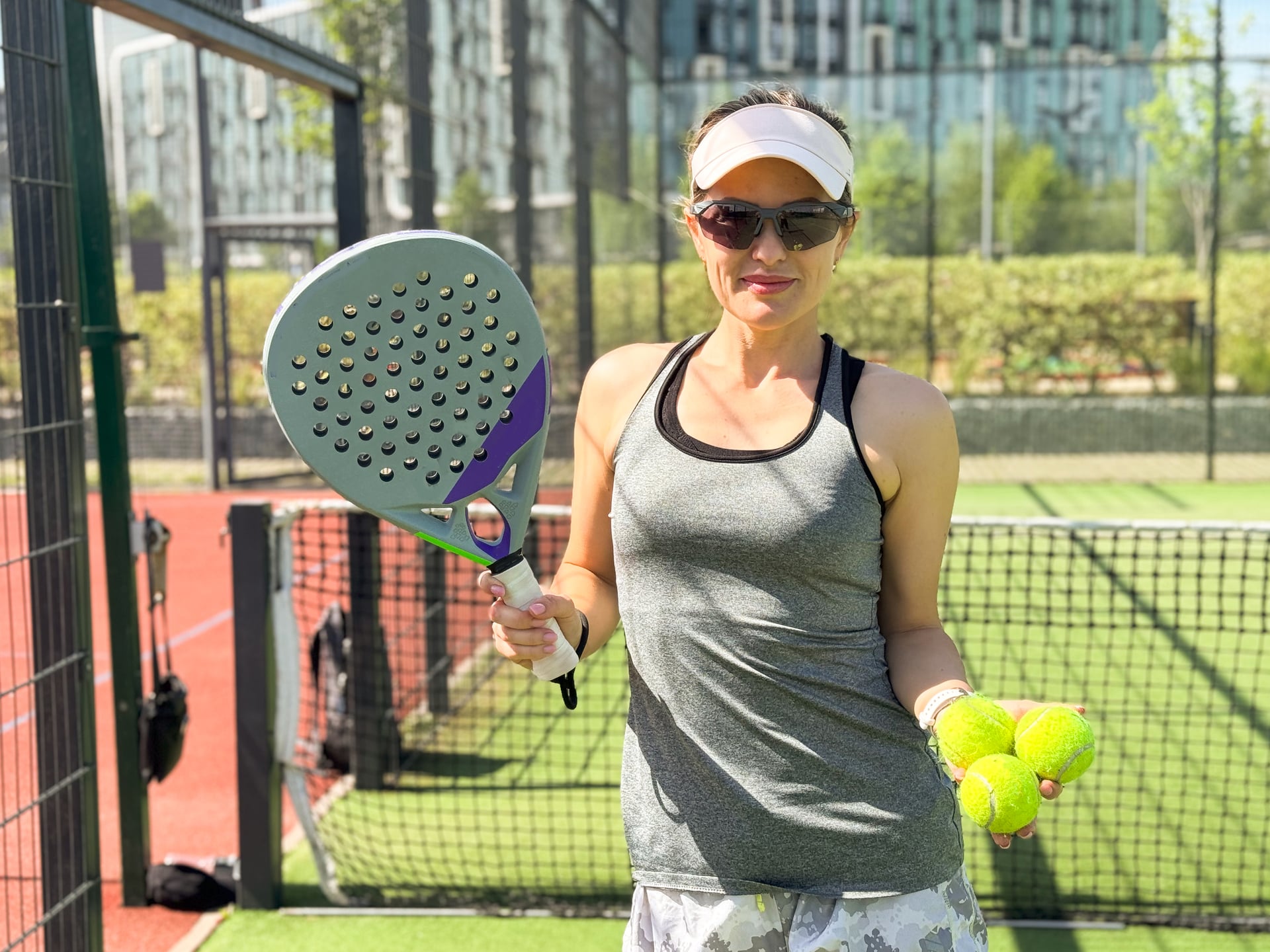
In recent years, a sport unfamiliar to many American athletes has moved rapidly from niche curiosity to mainstream recreation. Padel, a racquet sport that blends elements of tennis and squash, has seen accelerating adoption across major U.S. markets, driven by its accessibility, social nature, and relatively short learning curve. As more indoor and outdoor courts appear nationwide, interest continues to build among players seeking an engaging alternative to traditional racquet sports.
The Accessibility Gap in Racquet Sports
Many adults interested in racquet sports encounter barriers. Tennis can require years of technical development, squash often feels intimidating to beginners, and pickleball, while accessible, may not satisfy those seeking a faster-paced, more tactical game. These gaps have left some players searching for an option that balances athletic challenge with approachability.
Padel addresses this challenge by combining rally-based play and teamwork over power. The smaller court, enclosed by glass and walls, keeps the ball in play longer and reduces the physical demands often associated with full-court tennis. As a result, new players can participate meaningfully from the first session, while experienced athletes still find depth and strategy as skills progress.
What Makes Padel Different
Padel is typically played in doubles on a court roughly one-third the size of a tennis court. Solid racquets without strings are used, and the walls are considered part of play, similar to squash. Serves are hit underhand, which further lowers the entry barrier and reduces strain on shoulders and elbows.
According to technical explanations from Macron, padel’s rules and equipment are intentionally designed to prioritize control, placement, and anticipation rather than raw strength. This structure allows players of different ages and fitness levels to compete together, making the sport particularly appealing for mixed-skill groups and families.
Rules and How Padel Is Played
Padel follows a standardized rule set that contributes to its accessibility and fast-paced style of play. While it shares similarities with tennis, several structural differences define how matches unfold and why rallies tend to last longer.
Court and Match Format
- Padel is played on an enclosed court measuring 20 meters by 10 meters, surrounded by glass and mesh walls.
- Matches are typically played in doubles, reinforcing the sport’s emphasis on teamwork and positioning.
- Scoring follows the traditional tennis format, including games, sets, and tie-breaks.
Serving Rules
- Serves must be hit underhand, with contact made below waist height.
- The ball must bounce once behind the service line before being struck.
- The serve must land diagonally in the opponent’s service box, similar to tennis.
- If the ball hits the glass after landing in the service box, the serve is valid; contact with the mesh fencing results in a fault.
Use of the Walls
- After the ball crosses the net, it may bounce off the glass walls and remain in play.
- Players may also use their own back or side walls to return difficult shots.
- Direct contact with the walls before the ball bounces on the court is not allowed.
Rallies and Shot Selection
- Volleys are permitted, except when returning a serve.
- Strategic use of lobs is common, as forcing opponents away from the net creates openings.
- Power shots are generally less effective than controlled placement and anticipation.
Because padel rewards consistency and tactical awareness rather than speed or strength, rallies often feel collaborative rather than confrontational. This structure allows beginners to participate comfortably while offering experienced players increasing depth as their understanding of angles, positioning, and wall play improves.
Learning Curve and Common Early Mistakes
While padel is beginner-friendly, new players often overlook a few fundamentals. One common issue is standing too far back from the net. Unlike tennis, effective padel positioning favors net control, as volleys and angled shots play a central role. Another frequent mistake is overhitting, especially for players transitioning from tennis, where power is more heavily rewarded.
Coaching professionals often emphasize patience, communication between partners, and thoughtful shot selection. Understanding how to use the glass walls strategically—both defensively and offensively—becomes a key milestone in player development. These skills tend to develop quickly with guided instruction and consistent play.
Indoor Padel and Year-Round Participation
As padel expands in the United States, indoor facilities have become an important factor in sustaining growth. Climate-controlled courts allow consistent play regardless of weather, supporting league schedules, training programs, and social events. This environment also makes it easier for new players to commit to learning the sport without seasonal interruptions.
Padel has increasingly integrated into broader wellness and lifestyle offerings, becoming a standing offer at luxury gym facilities. By combining professional instruction, indoor courts, and complementary fitness amenities, such venues reflect a shift toward sports experiences that extend beyond the court itself.
Why Padel Fits Modern Lifestyles
Beyond the rules and equipment, padel’s rise reflects broader changes in how people approach fitness and recreation. Time efficiency, social connection, and mental engagement now rank alongside physical benefits. Matches are typically shorter than tennis, doubles play encourages interaction, and the tactical nature of the game keeps players mentally involved.
These factors have contributed to padel’s strong appeal among adults balancing work, family, and wellness goals. The sport offers a competitive outlet without the exclusivity or steep learning curve associated with some legacy racquet sports.
Looking Ahead
As participation grows and awareness spreads, padel is positioned to move from emerging trend to established fixture in the U.S. sports landscape. Investment in indoor courts, coaching, and community programming is likely to accelerate adoption, particularly in regions where climate or scheduling challenges previously limited racquet sport participation.
For players exploring new ways to stay active and socially connected, padel represents a compelling blend of accessibility, strategy, and enjoyment—one that continues to reshape how racquet sports are experienced.
Replay Club
chloe@replayclub.com
+1 561 484 7287
6600 High Ridge Rd
Boynton Beach
FL
33426
United States