Most professionals over the age of 35 don’t wake up one morning and decide they are burned out. It usually starts much earlier and much quieter than that.
A long stretch of high responsibility.Another year of saying yes.A growing sense that work takes more than it gives back.
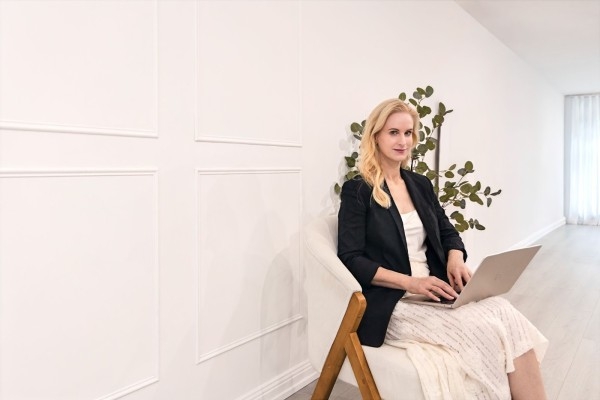
Cassandra Gordon has seen this pattern repeatedly. Sometimes, in the leaders she advises. Sometimes, years ago, in herself.
After more than 15 years working alongside leaders, teams, and organisations across Australia, Gordon has come to recognise burnout for what it is. Not a personal weakness. Not a failure to cope. But the natural result of spending too long inside systems that ask people to override their limits in order to function.
Why Burnout Is So Common in 35+ Professionals
By the time professionals reach their mid 30s and beyond, most are carrying more than just job titles. They are carrying identity, reputation, financial responsibility, and the unspoken expectation to hold things together. Stepping away from work that no longer fits can feel reckless, even when staying comes at a personal cost.
Many of the people Cassandra works with don’t describe themselves as burned out at first. They describe feeling flat. Disconnected. Less patient than they used to be. The work still gets done, but it takes more effort and delivers less satisfaction.
Burnout at this stage is rarely about workload alone. It shows up when values are quietly compromised, when responsibility keeps expanding without authority, and when survival becomes the standard by which success is measured.
“You don’t wake up to a half-lived life; you drift into it by calling survival ‘enough,’” Cassandra says.
That drift is what makes burnout difficult to interrupt. By the time it is named, many professionals feel boxed in by mortgages, career narratives, or the fear of losing momentum they worked years to build.
The Cost of Burnout to People and Organisations
Left unaddressed, burnout extracts a slow but significant cost. For individuals, it can lead to early ageing, persistent health issues, loss of confidence, emotional withdrawal, and a growing sense that work no longer reflects who they are. Creativity narrows. Decision-making becomes cautious. The future feels harder to imagine.
Organisations feel the impact too, even when it goes unspoken. Burnout fuels disengagement, increases absenteeism, and drives experienced people out quietly rather than dramatically. The cost is not just turnover. It is the erosion of judgment, trust, and institutional memory.
Cassandra has watched companies invest heavily in resilience training while ignoring the conditions that exhaust people in the first place. When burnout is treated as an individual issue, responsibility is placed back onto those who are already depleted, and the system itself remains unchanged.
What Drove Cassandra Gordon to Build a Different Approach
Cassandra Gordon’s work is shaped by both professional training and personal reckoning. Born in Perth, Western Australia, she built a career advising leaders across complex environments while absorbing the same pressures she now helps others examine.
Leaving the corporate world was not a dramatic moment of rebellion. It was a gradual realisation that working harder inside misaligned systems would not produce a different outcome. She saw how often people were asked to adapt endlessly while the structures around them remained fixed.
That realisation led her to develop the Being Human in Business approach. Not as a program to fix people, but as an orientation for those who sense something needs to change and want to move forward without betraying themselves or burning out again.
Through her work today, Cassandra focuses on helping individuals and organisations see where misalignment lives, how it drains energy over time, and what needs to shift for work to become sustainable. Her approach avoids quick answers. Instead, it creates space for clarity, honest assessment, and choices that align with both responsibility and humanity.
About Cassandra Gordon
Cassandra Gordon is a strategist, advisor, and facilitator based in Australia with more than 15 years of experience supporting leaders, teams, and organisations as they navigate complexity, burnout, and systemic workplace strain. Born in Perth, Western Australia, she brings an evidence-based approach shaped by both academic training and lived professional experience.
Gordon holds a Bachelor of Science from Edith Cowan University and a Master of Public Health from the University of Queensland, with additional qualifications in Governance and Risk Management from the Governance Institute of Australia. She has also completed advanced studies in People Analytics at Wharton and Workplace Analytics and AI at MIT.
Her work includes mentoring children, university students, emerging leaders, and senior executives. Gordon is actively involved in children’s charities and community initiatives, reflecting her long-standing commitment to leadership that supports both human wellbeing and organisational sustainability.
About Organisational Intelligence Group Pty Ltd
Organisational Intelligence Group Pty Ltd partners with leaders and organisations seeking to improve performance, reduce burnout, and strengthen workplace systems. The firm specialises in identifying structural misalignment, decision bottlenecks, and cultural pressures that affect how people function at work.
Through advisory services, leadership programs, and evidence-informed frameworks, Organisational Intelligence Group helps organisations create clarity, improve decision-making, and build sustainable ways of working that support both people and outcomes.
LinkedIn: https://www.linkedin.com/in/cassandra-gordon-sydney
Media Contact
Company Name: Organisational Intelligence Group Pty Ltd
Contact Person: Cassandra Gordon
Email: Send Email
City: Sydney
State: New South Wales
Country: Australia
Website: https://www.cassandragordon.com/
Press Release Distributed by ABNewswire.com
To view the original version on ABNewswire visit: Organisational Intelligence Group Pty Ltd Addresses Burnout With New Initiative Led by Cassandra Gordon