Plainfield, NJ / Syndication Cloud / February 20, 2026 / Sage Landscape Contractors and Tree Experts
Shifting Season Imperils Trees, Experts Sound The Alarm
The effects of the changing climate are felt in all aspects of ecology, from the melting of the ice caps to the acidification of the oceans. However, one more recent finding suggests that even trees and forest ecosystems, once thought to be a bastion against climate change, could also be heavily impacted. Data highlights a growing, multi-faceted threat facing the nation’s trees, and, in particular, species already susceptible to rapid seasonal change.
A report from NPR, for example, highlighted the risks posed to trees by an overall warmer, wetter environment—circumstances in which damaging fungi and pests like boring beetles thrive. A more recent 2025 publication from the National Park Service pulled together an even clearer picture of the threats trees will face in the coming years as temperatures continue to rise, highlighting the dual stresses posed by drought and pathogens. Their data collection methods found that tree mortality within Yosemite nearly doubled between 1983 and 2007, with rates only accelerating since then. A separate study from the CUNY ASRC suggested that this trend also extends to trees located in suburban and urban areas as well, where trees are already under more stress due to root compaction and limited irrigation.
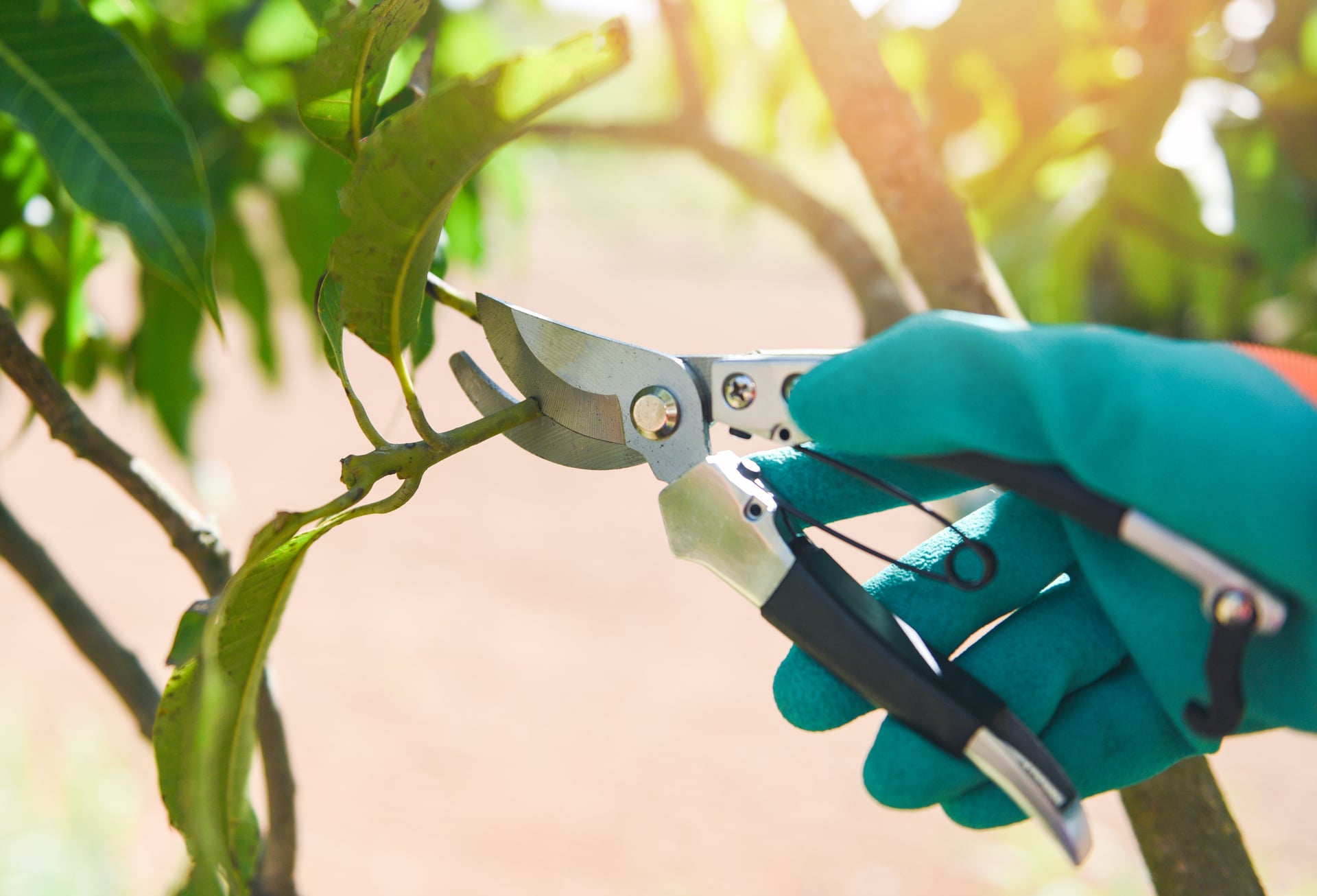
One might ask in the face of this troubling data: what can be done on a practical level to mitigate these dire consequences? The answer, many experts now suggest, lies in responsible stewardship and care for trees that may be under more stress than usual. Seasonal pruning is especially helpful in environments with limited tree coverage, and can help prevent property damage, erosion, and other potentially catastrophic damage.
Tree Pruning Timing Creates Critical Difference in Health and Vigor
The timing of tree pruning directly impacts wound healing, disease resistance, and overall tree health. Trees have natural biological cycles that affect their ability to compartmentalize wounds and recover from pruning cuts. When pruning occurs during optimal periods, trees can quickly form protective barriers around cuts, preventing decay organisms from entering. Conversely, pruning at the wrong time can leave trees vulnerable to infections, pest infestations, and structural weaknesses that may take years to manifest.
Professional arborists understand these critical timing windows because they’ve witnessed the long-term consequences of improper scheduling. For example, according to New Jersey-based Sage Landscape Contractors & Tree Experts, trees pruned during their most vulnerable periods often develop extensive decay, require expensive treatments, or ultimately need removal.
The cost of mistimed pruning extends beyond immediate tree health. Property owners may face increased liability from weakened branches, reduced property values from declining trees, and the expense of emergency removals during storms. Understanding seasonal pruning guidelines prevents these expensive consequences while maximizing the aesthetic and functional benefits of well-maintained trees.
Winter and Spring: Optimal Seasons for Most Trees
Late Winter to Early Spring Prime Window
Late winter through early spring represents the ideal pruning period for most tree species in New Jersey. During this dormant season, trees have minimal sap flow and can quickly compartmentalize wounds once growth resumes. The period from mid-February through early May allows trees to develop callus tissue rapidly around pruning cuts, creating natural barriers against decay organisms.
This timing coincides with the tree’s natural preparation for the growing season. Energy reserves stored in roots during the previous fall fuel rapid healing responses. Trees pruned during this window typically show vigorous new growth and robust wound closure by midsummer. The reduced metabolic activity during dormancy also means less stress on the tree’s overall system.
Winter Visibility Advantage for Structure Assessment
Winter pruning provides unparalleled visibility of tree structure without leaf coverage obscuring branch relationships. Arborists can easily identify crossing branches, weak crotches, and structural defects that require correction. This clear view allows for more precise cuts and better long-term structural decisions.
Dead, diseased, or damaged branches become obvious against winter’s bare backdrop. Storm damage from ice and snow loading also becomes apparent, allowing for prompt corrective action before spring growth begins. The ability to see the entire canopy structure enables more strategic pruning that enhances the tree’s natural form and strength.
Spring-Blooming Trees Require Post-Flower Timing
Spring-flowering trees like dogwoods, redbuds, and flowering cherries set their flower buds during the previous growing season. Pruning these trees before they bloom removes the current year’s flower display. For maximum bloom and proper tree care, these species should be pruned immediately after flowering concludes.
The post-bloom pruning window typically occurs in late May through June for most spring-flowering species. This timing allows trees to recover from pruning stress while having sufficient time to develop next year’s flower buds. Delaying pruning beyond early summer may reduce the following year’s bloom intensity.
Bleeding Trees Demand Special Seasonal Considerations
Identifying Heavy Sap-Producing Species
Certain tree species are notorious for heavy sap flow when pruned during peak pressure periods. Maples, birches, walnuts, elms, dogwoods, beeches, hickories, and hornbeams are the primary “bleeding” species found in New Jersey landscapes. These trees have particularly active vascular systems that transport large volumes of sap during late winter and early spring.
The sap flow occurs because these species build significant root pressure as they prepare for leaf emergence. When pruning cuts interrupt the vascular system during peak flow periods, sap can stream from wounds for days or weeks. While this dramatic bleeding appears harmful, it rarely causes long-term damage to healthy trees.
Early Summer and Late Summer Preferred Windows
Bleeding species require alternative pruning schedules to minimize excessive sap loss. Early summer pruning, after leaves have fully developed and hardened, represents the optimal timing for these trees. By mid-June, most bleeding species have reduced sap pressure as energy focuses on leaf function rather than transport.
Late summer through early fall provides another window for bleeding species, though some experts caution that unhealed cuts may bleed again in spring. Sap flow decreases significantly as trees begin preparing for dormancy. Pruning during August through September allows adequate healing time before winter while avoiding the dramatic sap loss associated with spring cuts.
Why Sap Flow Looks Alarming But Rarely Harms Trees
Heavy sap bleeding can be visually disturbing, with clear or slightly colored liquid streaming from cuts for extended periods. However, this sap loss does not harm healthy trees in the same way bleeding affects animals. Tree sap is primarily water with dissolved sugars and nutrients, and trees can produce adequate replacement fluids without stress.
The wound will naturally seal as the tree forms callus tissue around the cut. In rare cases involving very large cuts or stressed trees, prolonged bleeding might cause some vigor loss, but this is uncommon with proper pruning practices. The key is making clean cuts and allowing natural healing processes to occur without interference.
Fall Pruning Risks and Critical Safety Guidelines
Why Autumn Wounds May Heal Poorly
Fall pruning is often discouraged because trees enter dormancy with reduced healing capacity. As temperatures cool and daylight decreases, cellular activity slows dramatically. Wounds created during autumn have limited time to form protective barriers before winter’s harsh conditions arrive.
However, expert opinions vary on fall pruning risks. While some sources suggest that the combination of slow healing and winter weather creates ideal conditions for decay organisms, others note that many tree diseases and pests become less active as temperatures drop, reducing the risk of infections from open wounds. The concern is primarily with heavy pruning that stimulates new growth vulnerable to winter damage.
Professional Equipment and Hazard Assessment Requirements
Tree pruning involves significant safety risks that require professional assessment and specialized equipment. Proper personal protective equipment (PPE), hazard evaluation, and awareness of electrical lines are necessary for safe operations. Falling branches pose serious injury risks, and proximity to power lines can create fatal situations.
Professional arborists are trained to identify hazardous conditions like decay, weak branch attachments, and electrical hazards before beginning work. They use specialized climbing equipment, rigging systems, and cutting tools designed for tree work. Insurance coverage and safety training protect both workers and property owners from liability.
Proper Pruning Techniques Prevent Long-Term Tree Damage
Clean Cuts and Branch Collar Protection
Proper pruning cuts are made just outside the branch collar, the swollen area where branches attach to the trunk or parent limb. This location contains specialized cells that rapidly form callus tissue to seal wounds. Cuts made flush with the trunk create unnecessarily large wounds that heal poorly and invite decay.
Sharp, clean cutting tools are necessary for proper wound healing. Ragged cuts from dull tools create larger wound surfaces and damage surrounding bark tissue. Clean cuts minimize wound size and allow trees to compartmentalize effectively. Large branches require a three-cut technique to prevent bark stripping and tissue damage.
Avoiding Over-Pruning and Flush Cuts
Over-pruning, defined as removing more than 20-30% of a tree’s canopy in a single season, severely stresses trees and makes them vulnerable to pests and diseases. Excessive canopy removal forces trees to use stored energy reserves to replace lost foliage, weakening their overall health and resistance to problems.
Flush cuts made too close to the trunk remove the branch collar and create large wounds that cannot heal properly. These cuts often result in extensive decay that can compromise structural integrity. Stub cuts that leave protruding branch remnants also heal poorly and may sprout weak water shoot growth.
Skip Wound Sealants for Natural Healing
Modern arboricultural practices recommend against wound sealants, paints, or dressings on pruning cuts. Trees have evolved natural compartmentalization processes that effectively seal wounds without human intervention. Applied sealants can actually trap moisture and decay organisms against the wound, hindering natural healing.
Trees respond to wounds by forming specialized cells that create barriers to decay. This process, called CODIT (Compartmentalization of Decay in Trees), works most effectively when wounds are allowed to dry and heal naturally. Trust in the tree’s natural healing ability produces better long-term results than artificial treatments.
Schedule Professional Tree Care for Best Results
Professional tree care ensures optimal timing, proper techniques, and safety compliance for valuable landscape trees. Certified arborists understand species-specific requirements and can develop care plans that address immediate needs while planning for long-term tree health. Their expertise prevents costly mistakes that can compromise tree health for decades.
Regular professional maintenance extends tree life, reduces emergency risks, and maintains property values. Professional services include hazard assessments, structural evaluations, and ongoing health monitoring that detect problems before they become expensive emergencies. The investment in professional care typically pays for itself through avoided tree loss and property damage.
Sage Landscape Contractors and Tree Experts
16 Driftway Ln
Plainfield
NJ
07060
United States