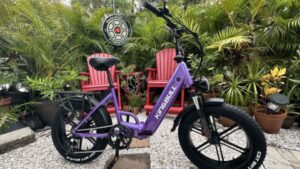
Los Angeles, CA, United States, 18th Dec 2025 – Kingbull Technology, Inc. today announced updates to three electric bicycle models for the 2025 model year—Literider 2.0, Rover 2.0, and Discover 2.0—alongside an expansion of its customer support and logistics infrastructure within the United States.
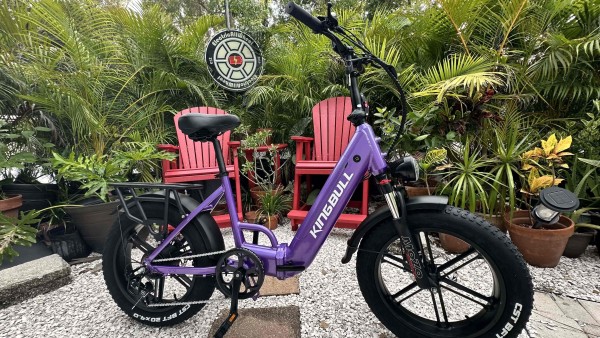
According to the company, the updated models will be available for U.S. customers beginning March 2025, with distribution supported through newly added regional warehouses in California, Texas, and New Jersey.
2025 Model Updates
The 2025 updates apply across three models serving different riding use cases. All revised models include standardized platform changes implemented during the 2024–2025 development cycle, including updated frame geometry, revised cable routing, and battery system integration adjustments intended to simplify maintenance and component access.
“These changes were driven by usage data and service feedback collected from U.S. riders over the past two years,” said Alex Chen, Director of Product Engineering at Kingbull Technology, Inc. “The 2025 revisions focus on structural consistency and serviceability rather than aesthetic redesign.”
Literider 2.0
The Literider 2.0 is a compact, foldable electric bicycle intended for short-distance urban travel. For 2025, the model includes:
- A revised folding hinge structure
- Updated frame weight distribution
- Adjusted rider geometry to accommodate a more upright riding posture
The model is designed for users who require compact storage or multi-modal transportation compatibility.
Rover 2.0
The Rover 2.0 is configured for mixed-terrain use, including paved roads, gravel paths, and maintained trails. The 2025 version includes:
- Suspension tuning adjustments
- Frame rigidity modifications
- Updated tire tread design for mixed-surface traction
The Rover 2.0 remains positioned as a dual-purpose commuter and recreational model.
Discover 2.0
The Discover 2.0 is designed for longer-distance daily riding. Updates for the 2025 model year include:
- Ergonomic refinements to frame geometry
- Drivetrain efficiency adjustments
- Expanded compatibility with rear cargo accessories
According to the company, these changes were introduced to support extended ride durations and routine daily use.
U.S. Service and Logistics Expansion
In parallel with the product updates, Kingbull Technology, Inc. confirmed the expansion of its U.S. service and logistics network. The initiative includes:
- The addition of three regional fulfillment centers located in Los Angeles, CA; Dallas, TX; and Newark, NJ
- A centralized U.S.-based after-sales support portal
- Expanded domestic inventory for replacement parts
The company stated that these changes are intended to support delivery operations and post-purchase service for U.S. customers.
Industry Context
The announcement reflects broader trends within the U.S. electric bicycle market, where manufacturers are increasingly investing in service infrastructure and product lifecycle consistency as adoption grows for commuting and short-range transportation.
Kingbull’s 2025 updates align with ongoing industry emphasis on platform continuity, logistics coverage, and long-term ownership support.
About Kingbull Technology, Inc.
Founded in 2018, Kingbull Technology, Inc. is an electric mobility company specializing in the design and distribution of electric bicycles. The company is headquartered in Los Angeles, California, and focuses on urban commuting, mixed-terrain riding, and practical personal transportation solutions.
Kingbull Technology, Inc. operates direct-to-consumer sales channels and maintains service and logistics operations within the United States.
Website: https://www.kingbullbike.com/
Media Contact
Organization: Kingbull Technology, INC.
Contact Person: Ethan Doo
Website: https://www.kingbullbike.com/
Email: ethan.doo@kingbullbike.com
Contact Number: +12135884335
Address:5101 Santa Monica Boulevard
City: Los Angeles
State: CA
Country:United States
Release id:39264
View source version on King Newswire:
Kingbull Announces 2025 E-Bike Lineup Updates and U.S. Service Network Expansion